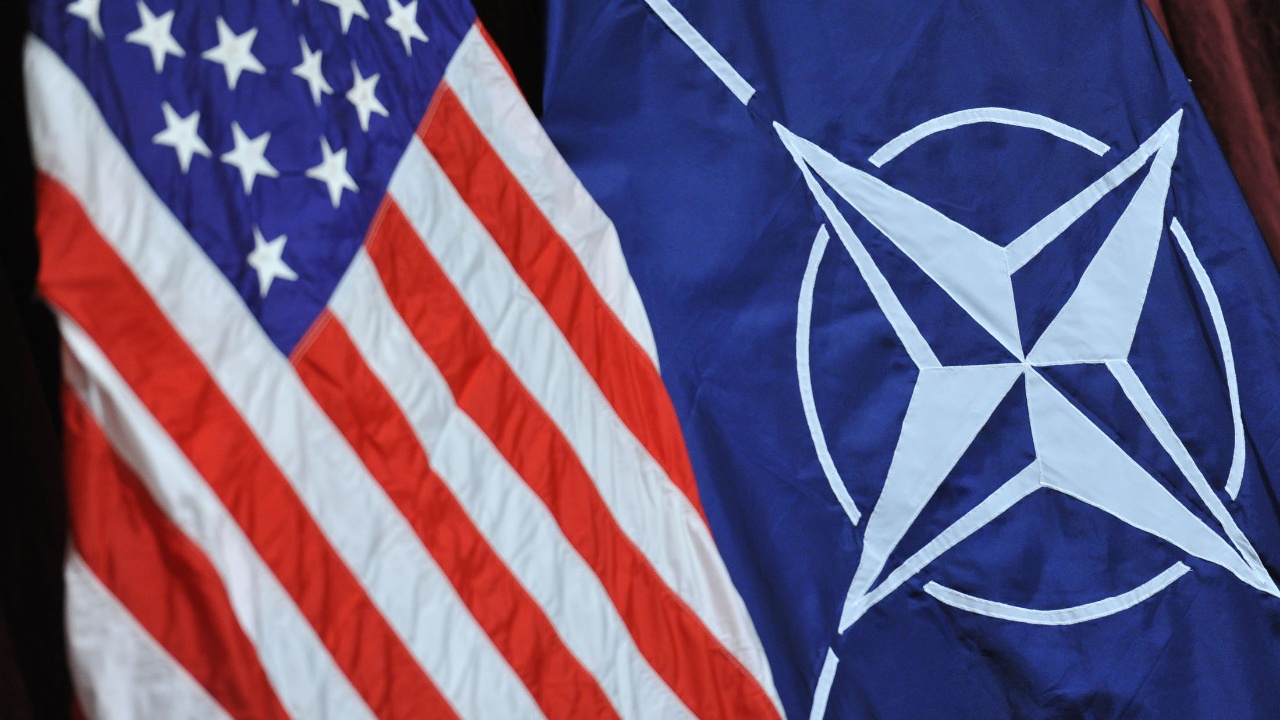
The United States appears to view European countries in a different light following the conflict with Iran. According to reports, the White House has drafted a plan to assess NATO member states based on their stance regarding the war with Iran, creating an "informal list of good and bad," while the Trump administration seeks ways to punish allies who have not supported American operations. As reported by European diplomats and a U.S. Pentagon official cited by Politico, the plan includes an evaluation of member states' contributions to the Alliance and their classification into categories. It was prepared ahead of the recent visit of NATO Secretary General Mark Rutte to Washington. This initiative is another example of Trump's goal to enforce his threats against allies who do not align with American choices, exerting additional pressure on the Alliance, which is already tested by interventions such as the proposal to annex Greenland or the threat of a complete U.S. withdrawal from NATO. Defense Secretary Pete Hegseth hinted at this logic in December, noting that "allies who contribute significantly, such as Israel, South Korea, Poland, and the Baltic states, will enjoy special treatment," while those who do not respond "will face consequences." The details of the plan remain unclear, and it has not been specified what the potential "benefits" or "punishments" would be. As diplomatic sources note, one possible option could be the repositioning of American troops in Europe, although this would entail significant costs and operational difficulties. A White House spokesperson emphasized that the U.S. "has consistently supported its allies" but has not received corresponding support for Operation "Epic Fury," warning that "the United States will remember." In this context, countries like Romania and Poland are considered favored, as they maintain good relations with Washington and have actively contributed to military operations or hosted American forces. In contrast, countries like Spain, as well as allies such as the United Kingdom and France, are reported to have not fully responded to U.S. requests, refusing or delaying their support. The plan could lead to differentiation in American military presence, joint exercises, or arms sales, depending on each country's stance.
Society
USA splits NATO into "two"! Who are the "good" and the "bad" of the alliance?
The United States appears to view European countries in a different light following the conflict with Iran. According to reports, the White House has drafted a plan to assess NATO member states based on their stance re
ingestionalbania