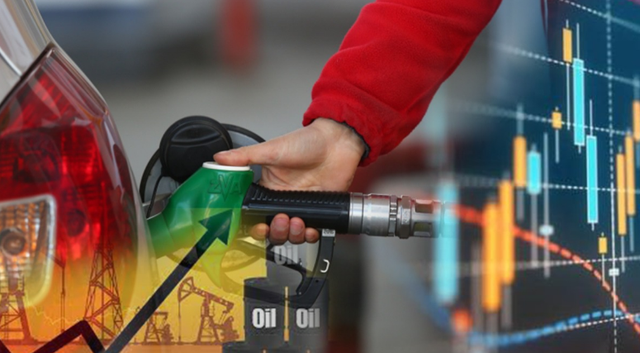
The rise in oil prices during March has significantly burdened citizens' wallets, while on the other hand, it has brought more revenue to the state budget.
According to official data, the price of oil in the market averaged around 200 lek per liter in March, up from 175 lek a month earlier. This increase was immediately reflected in the taxes collected on fuel, especially in VAT and excise duty.
Oil imports increased slightly, but VAT revenues expanded more due to the higher price. In March, around 1.93 billion lek were collected from VAT on oil, showing a significant increase compared to a year earlier. A large part of this increase is directly linked to the rise in prices.
Excise revenues have also increased, as a result of indexing and higher prices. Although a temporary reduction in excise duty was approved when the price exceeded 220 lek per liter, it was applied only for a few days.
At the same time, citizens have paid more for fuel. Oil consumption in March reached around 42 million liters, and for this quantity, about 8.5 billion lek were spent, or approximately 87 million euros.
If the price had remained at February's level, expenditures would have been about 11 million euros less. This difference shows the direct impact that the rise in oil prices has had on consumers.
Meanwhile, in response to this situation, the government has only partially intervened, promising compensation for public transport, following the problems created in circulation.