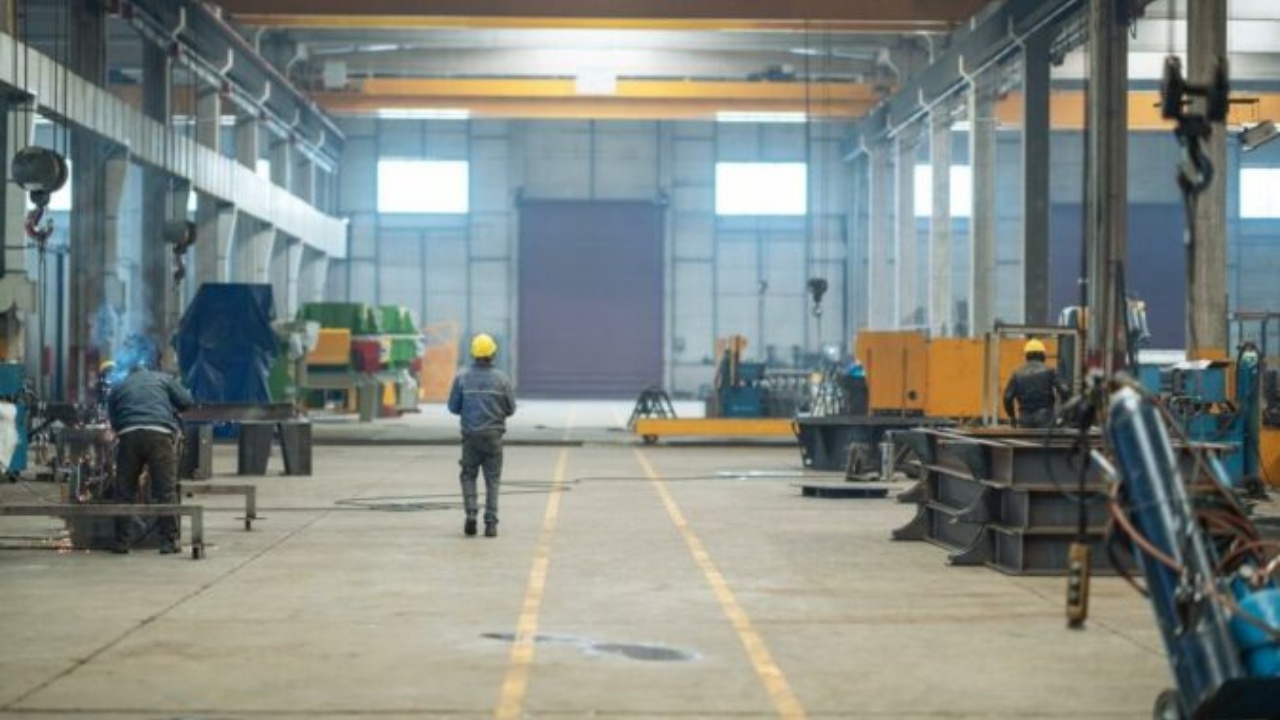
Workplace safety violations are turning into a direct cost for Albanian businesses, with 268 fines totaling 64.5 million lekë imposed during 2025 alone.
Behind this administrative pressure lies a broader structural problem. Last year, 275 workplace accidents were recorded, resulting in 212 injuries and 48 fatalities, confirming that workplace safety remains a weak point in the country's labor market.
According to the annual report of the State Inspectorate of Labor and Social Services, the most problematic sectors are those with high physical labor intensity and lower levels of process formalization, such as construction, manufacturing, and some service industries. In these activities, violations are primarily linked to a lack of protective equipment, technical standards, and employee training, significantly increasing risk exposure.
The rise in accidents has prompted a stronger response from the Inspectorate. Accident-related inspections have increased by 23%, and each case has been accompanied by administrative measures, often multiple penalties for the same entity, indicating a stricter punitive approach.
At the same time, the reporting rate from businesses has reached 96%, a sign of greater transparency but also an indication that the phenomenon is widespread and present across many economic sectors.
In total, 9,532 entities were inspected and over 205,000 workplaces were checked during the year, highlighting an issue that is not confined to isolated sectors but extends across a broad portion of economic activity.
The economic impact of accidents is multifaceted. For businesses, they translate into activity disruptions, productivity losses, and additional costs for compensation or penalties. For the state, they increase pressure on the healthcare system and insurance schemes while reducing the active contribution of the workforce.
However, the report notes that some businesses continue to treat workplace safety as a cost to be minimized rather than an investment that reduces risk. In practice, this approach is proving more costly, as accidents and their financial consequences increasingly burden economic activity itself. /Monitor/