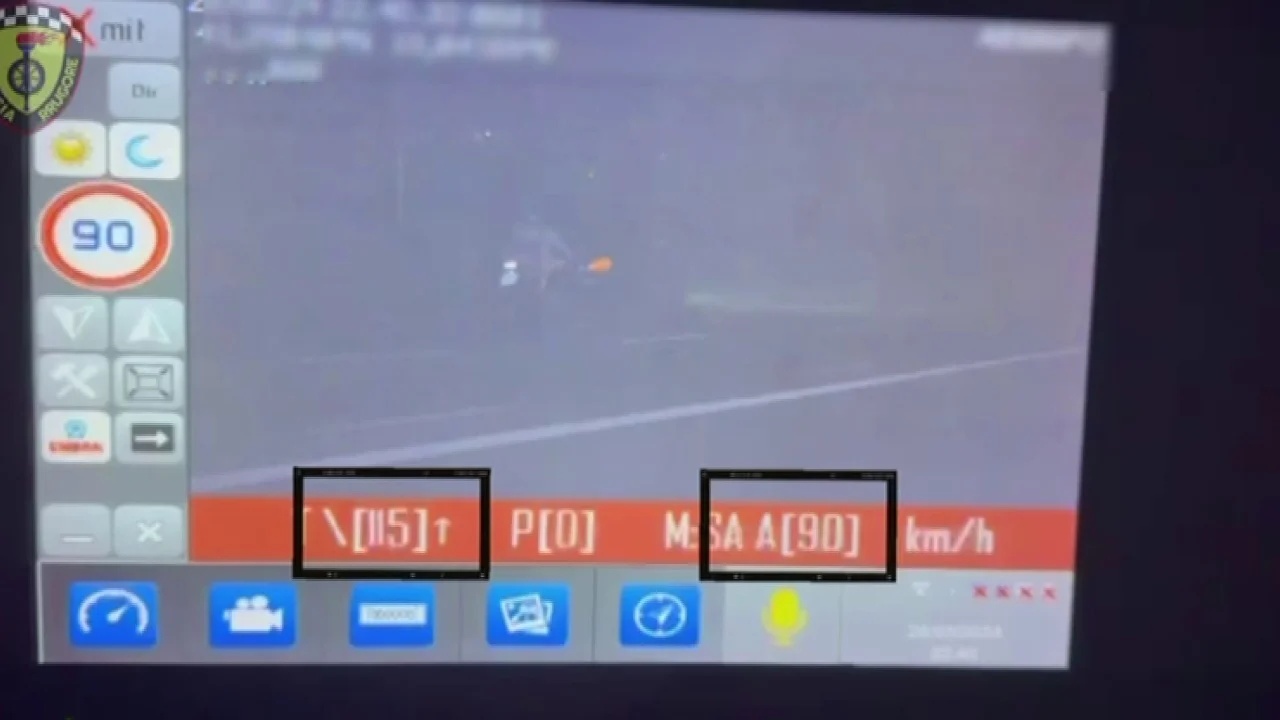
On all national axes, speed cameras, radars, and intelligent vehicles equipped with speed meters and ANPR cameras for reading license plates of wanted vehicles and alerts will be operational. Drones will be used to detect improper overtaking and lane violations. Penalties will only be imposed through devices and checkpoints established based on well-defined plans.
Fewer police officers on the road does not mean fewer fines. Violations will still be punished, but they can no longer be contested, as they are captured by the third eye of technology, which also closes the door on under-the-table payments to police to avoid fines.
Over the past week, 22,000 measures were imposed for illegal parking in urban areas, the most common violation, followed by measures for speeding, proceedings for alcohol use while driving, or being caught without a driver's license.
Now, with technology on their side and a detailed plan on where checkpoints will be set up to detect violations, the traffic police fleet will be more focused on directing traffic on the busiest axes, mainly during weekends and the upcoming summer season. / Top Channel