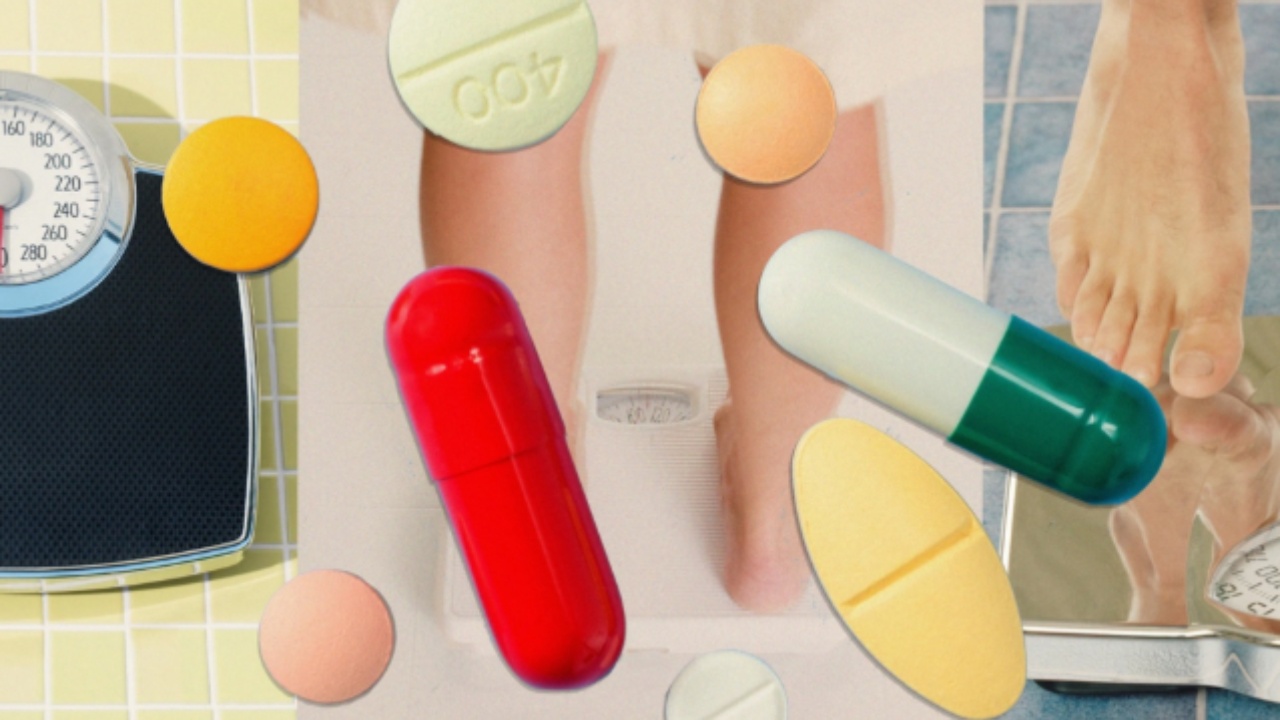
Modern weight-loss drugs, such as GLP-1 agonists, are considered a revolution in the treatment of obesity and type 2 diabetes. But experts warn: if not used properly, the results can be disappointing, even harmful to the body.
Many patients face fatigue, muscle mass loss, or sleep problems, thinking the therapy isn’t working. In reality, it’s often some common mistakes that are preventing them from seeing the real benefits.
Although these medications reduce appetite, they don’t change ingrained habits. Many people continue to eat on a fixed schedule without being hungry. Experts advise listening to your body and asking yourself if you’re eating out of need or simply out of routine.
Losing weight within a few weeks is an unrealistic expectation. The body needs time to adjust to the therapy. Gradual weight loss is a healthier and more sustainable sign.
Nausea, diarrhea, or constipation are common at first. But they usually pass. Many patients give up too quickly, without giving their body time to adapt.
Reducing food intake without considering composition leads to fatigue and muscle loss. Proteins are essential for satiety and maintaining muscle mass.
Decreased appetite is often accompanied by lower intake of fiber and fluids, causing digestive issues. Hydration and fiber-rich foods are key.
Skipping meals and overeating in the evening Many people eat very little during the day and then compensate at dinner. This is a natural response of the body to a lack of energy.
The number on the scale isn’t everything. Sleep, physical activity, and mental well-being are just as important for long-term results.
Experts emphasize that these drugs are only a tool, not a magical solution. Success comes when they are combined with healthy habits and a consistent approach to lifestyle.