The return of the El Niño climate phenomenon is expected in May of this year, which could potentially impact global temperatures and rainfall patterns, the World Meteorological Organization (WMO) announced today.
According to the WMO, El Niño is a periodic warming of sea surface temperatures in the central and eastern Pacific Ocean that typically lasts between nine and twelve months.
A clear change has been observed in the equatorial Pacific with a sudden increase in sea surface temperature, indicating a high probability of El Niño between May and July of this year.
"After a period of neutral conditions early in the year, climate models are now strongly aligned, and we are seeing the onset of El Niño, followed by further strengthening in the coming months," said Wilfran Mufuma Okiya, head of climate prediction at the WMO.
Although models point to a potentially strong El Niño this year, the WMO adds that forecasts made during spring are usually less reliable and that greater certainty in predictions will be possible after April.
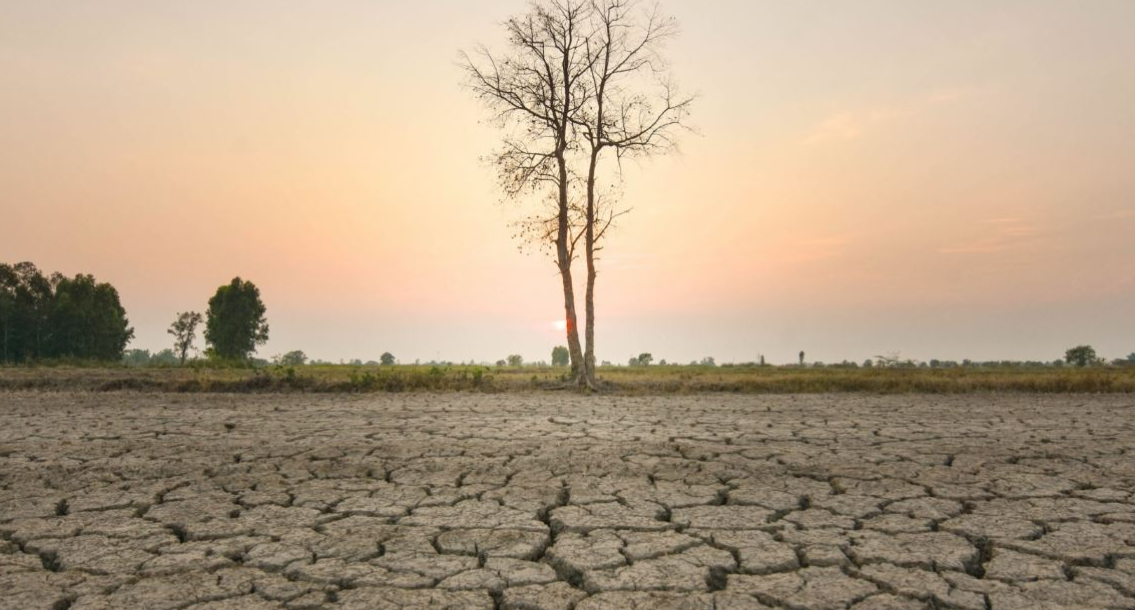
This pattern is known to disrupt regional climates, potentially bringing increased rainfall to South America, the southern United States, parts of the Horn of Africa, and Central Asia, while also causing droughts in Australia, Indonesia, and parts of South Asia, according to the WMO.