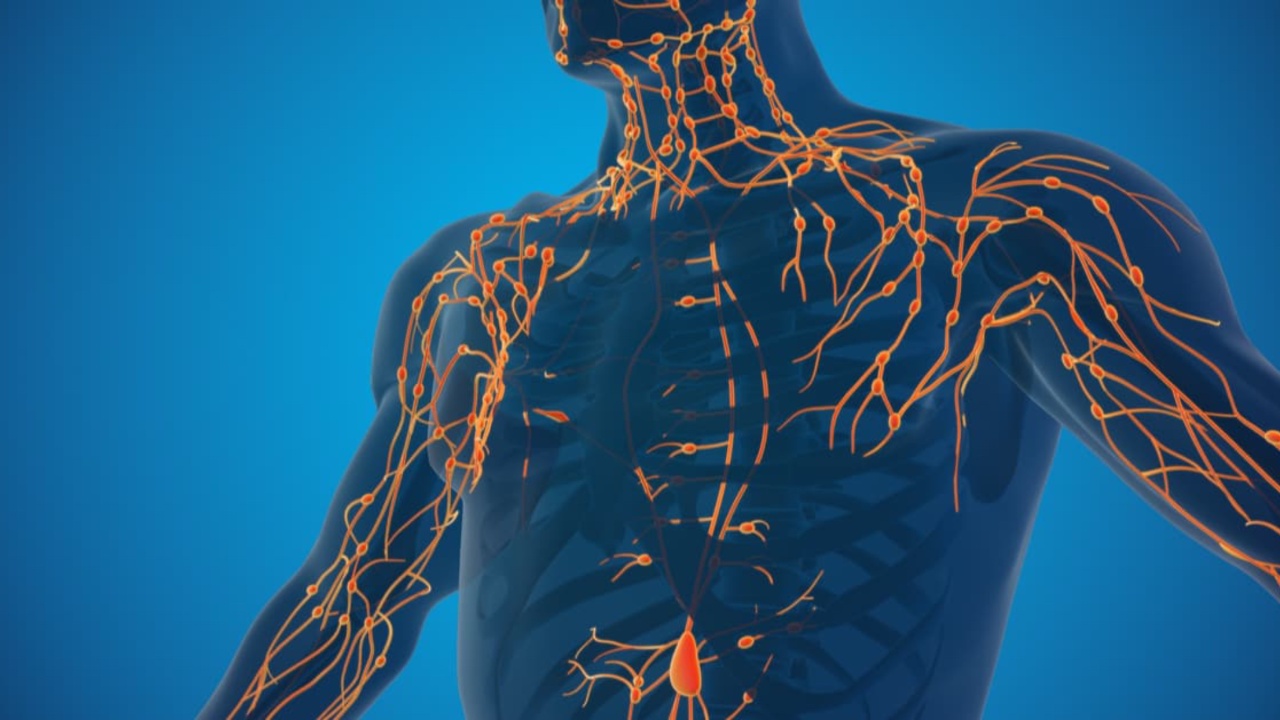
A small but crucial element in the human body is drawing increasing attention from doctors: the sentinel lymph node, also known as the "guard" node. It can provide the first signal of whether a disease is spreading, directly influencing treatment decisions.
Lymph nodes are essential components of the immune system and play an active role in protecting the body by filtering bacteria, viruses, and damaged cells. However, in diseases such as cancer, they can become "checkpoints" for tumor cells spreading from the primary tumor.
In this chain, the sentinel node is the first to "encounter" these cells. This makes it a key indicator for doctors: if no malignant cells are found there, the likelihood of the disease having spread is much lower. But if the result is positive, the risk increases, and more aggressive treatment steps are required.
The procedure used is called sentinel lymph node biopsy and is now considered the standard for certain types of cancer, such as breast cancer and melanoma. Through a minor intervention, doctors identify and remove this node for detailed analysis, often avoiding extensive surgeries.
The advantage? Fewer complications and a more accurate assessment of the situation. However, this method is not without risks, as side effects such as swelling (lymphedema), infections, or, in rare cases, inaccurate results may occur.
Despite this, experts emphasize that this "guard node" remains one of the most important tools in modern diagnostics, helping to determine a course of action that can save lives.