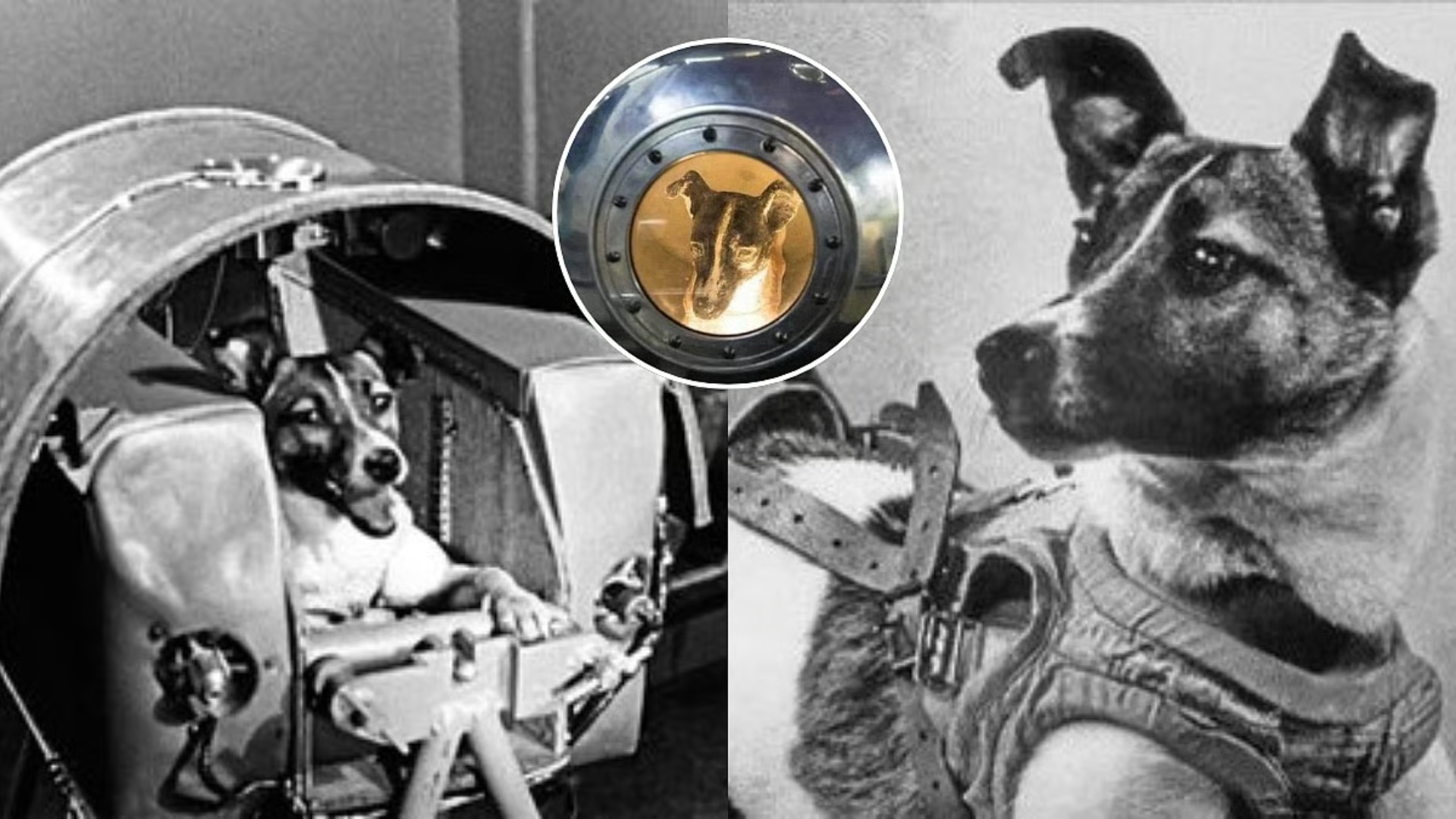
The poignant story of Laika, the dog sent into space to orbit Earth with no way to return home, has recently sparked reactions online. Laika was just one of many animals used in exploration for a better understanding of the universe. It departed Earth at high speed as the sole passenger of the Sputnik 2 spacecraft.
On November 3, 1957, after weeks of preparation that included adapting to increasingly smaller cages and arcs, it was sent into low orbit. The experiment aimed to demonstrate that a living creature could withstand the traumatic forces associated with launch into orbit.
Laika's vital signs were carefully monitored in the hope of confirming scientists' theories that life could function in space amid reduced gravity and high levels of radiation. The data revealed signs of distress throughout the journey.
More than five months after launch, Sputnik 2 descended back into Earth's atmosphere on April 14, 1958, burning up upon re-entry. From this mission, researchers gained new information about the physiological effects of space travel through their work with Laika.
The dog's death on board was believed to be due to the failure of the R-7 sustainer to separate from the spacecraft. The Soviet Union is suspected of having given contradictory evidence regarding the animal's death, including claims that it died just seven hours after the mission began. However, in 2002, the actual circumstances and time of its death were finally revealed, reflecting widespread reports that the dog died after oxygen supplies ran out on the sixth day of isolation in the cramped spacecraft.