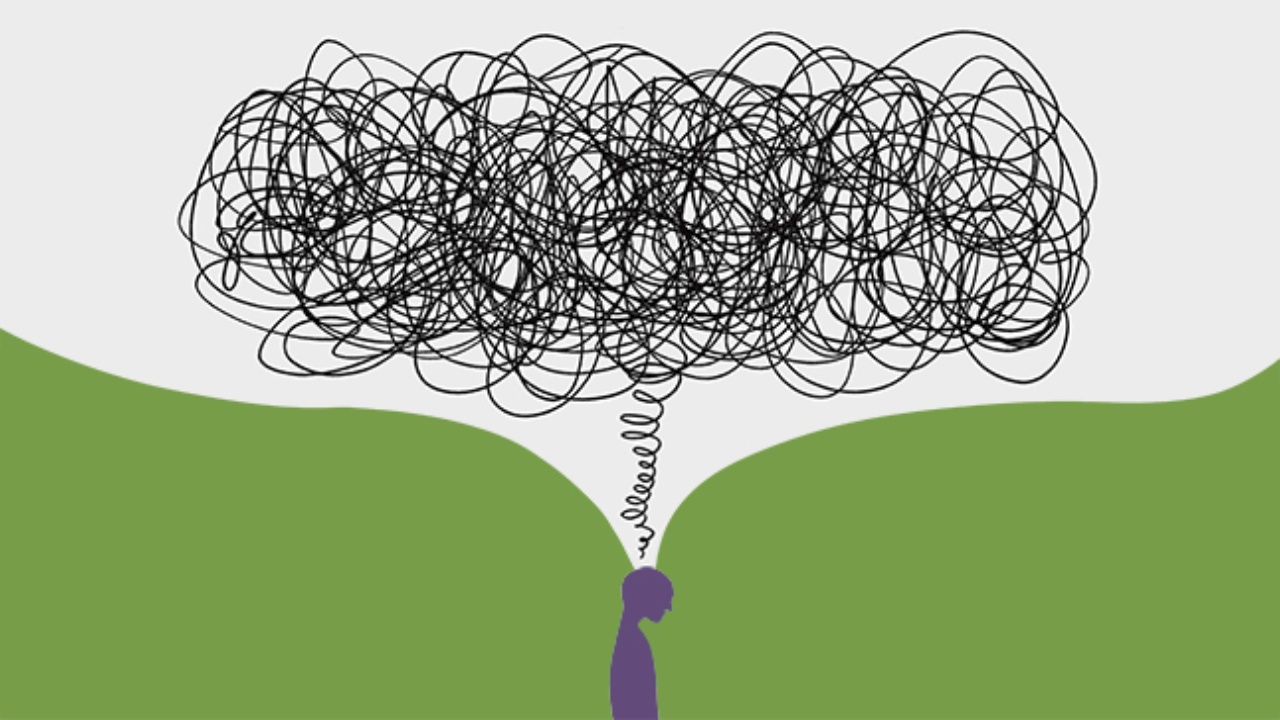
Doctors warn that the first symptoms are often not headaches, but unusual changes in behavior and personality. Brain tumors are among the most complex neurological diseases because they can develop silently for a long time, with symptoms that sometimes resemble stress, depression, or ordinary fatigue. According to the Mayo Clinic, the signs depend on the size, location, and growth rate of the tumor, so they are not the same for every person.
Behavioral changes can be an early signal
In clinical practice, the first signs are not always severe headaches. Often, they appear as subtle changes in behavior, mood, or personality, which family members notice before the patient themselves.
* Inappropriate laughter or jokes * Sudden change in character
Those closest to the patient are often the first to notice that "something is not as it used to be." The changes may be attributed to the loss of a loved one, work stress, or fatigue, so the signals are sometimes overlooked. Doctors emphasize that early assessment is very important because an early diagnosis can improve treatment options and quality of life.
According to the National Health Service and the Cleveland Clinic, symptoms that require medical evaluation include:
* New or worsening headaches * Confusion or unusual drowsiness
Does it always start with a headache?
No. This is one of the most common misconceptions. Not every brain tumor starts with a headache, and not every headache is related to a tumor. Often, headaches appear later, especially when pressure inside the skull increases.
Benign tumors grow more slowly and are not cancerous, but they can still cause serious problems if they press on important areas of the brain. Malignant tumors are more aggressive and require prompt, specialized treatment.
If a person has new neurological symptoms, unexplained behavioral changes, or a first-time seizure, a doctor may recommend tests such as a CT scan or MRI, depending on the clinical situation. The decision is always made by a healthcare professional.