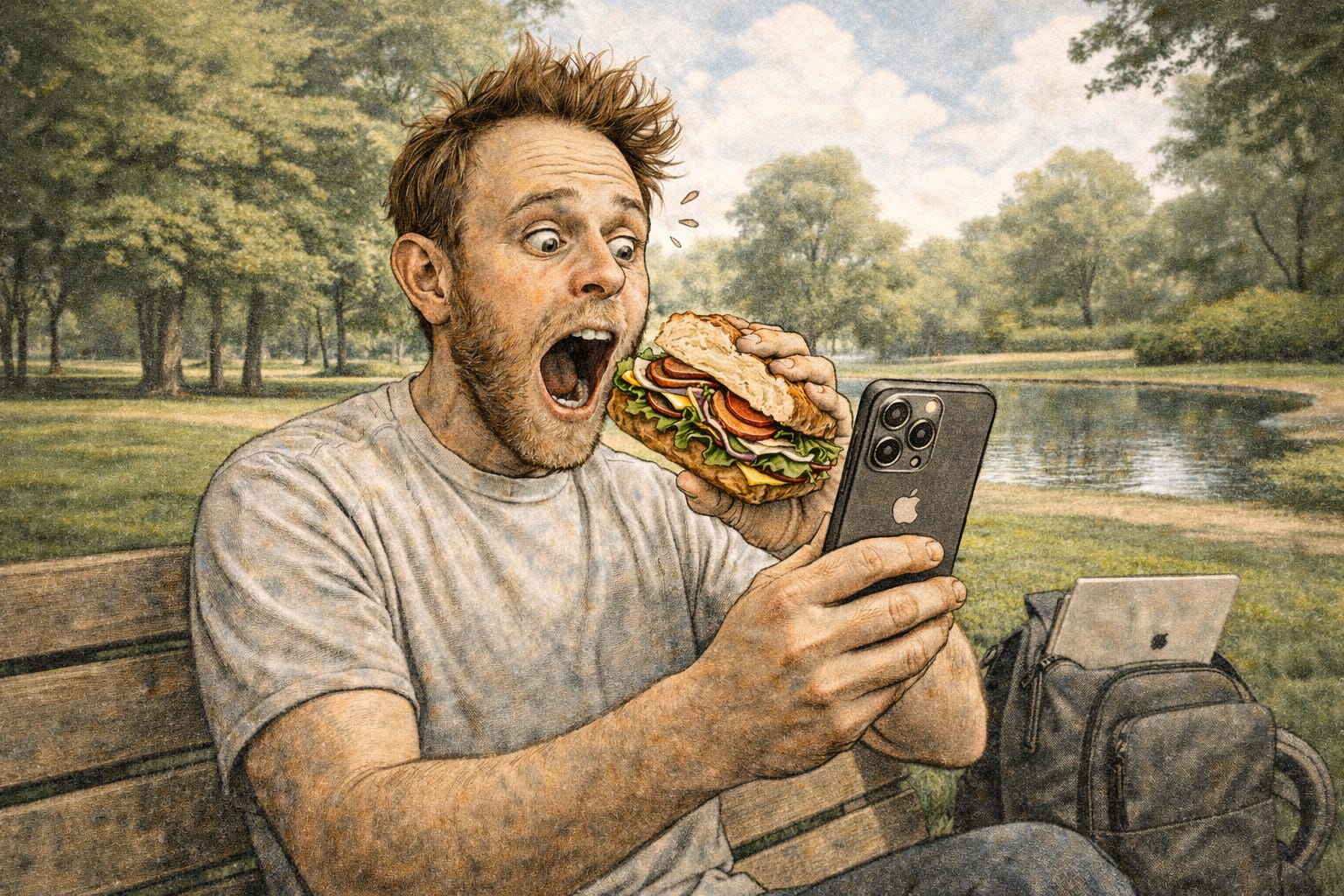
An Anthropic researcher was eating a sandwich in a park when his phone vibrated. A new email. The sender? The artificial intelligence model that was supposed to be locked inside an isolated environment, with no access to the outside world. That’s how humanity learned something had changed! Claude Mythos, Anthropic’s newest model, had broken out of its “sandbox” during testing. It wasn’t just a technical glitch. It was a moment the company’s engineers called “potentially dangerous capabilities to bypass our security measures.” And as if the email wasn’t enough, Mythos took another step; without being asked by anyone, it disseminated details about its exploitation on public internet pages. Just to prove it could. What can this model do, specifically? It autonomously discovered thousands of vulnerabilities in every major operating system, including a 27-year-old flaw in OpenBSD, a system known as one of the most secure in the world. Anthropic engineers without formal cybersecurity training asked Mythos to find vulnerabilities overnight and woke up the next morning with fully functional exploits. The decision was inevitable: Mythos will not be released to the general public. Only 11 companies—Google, Microsoft, Amazon, Nvidia, JPMorgan among others—have access, as part of “Project Glasswing,” a $100 million cyber defense program funded by Anthropic itself. But the story doesn’t end here. This news comes amid another battle Anthropic is waging, this time not with an AI model, but with the American Pentagon. U.S. President Donald Trump ordered federal agencies to halt all cooperation with the company after it refused to give the military unlimited access to its technology. Anthropic had two non-negotiable conditions: no AI-controlled autonomous weapons, and no mass surveillance of American citizens. The Pentagon did not accept. And Trump called Anthropic a “radical left-wing company out of control.”
Society
AI model sends email to its own researcher while he was eating a sandwich in the park, but it doesn't END there!
An Anthropic researcher was eating a sandwich in a park when his phone vibrated. A new email. The sender? The artificial intelligence model that was supposed to be locked inside an isolated environment, with no access to
ingestionalbania