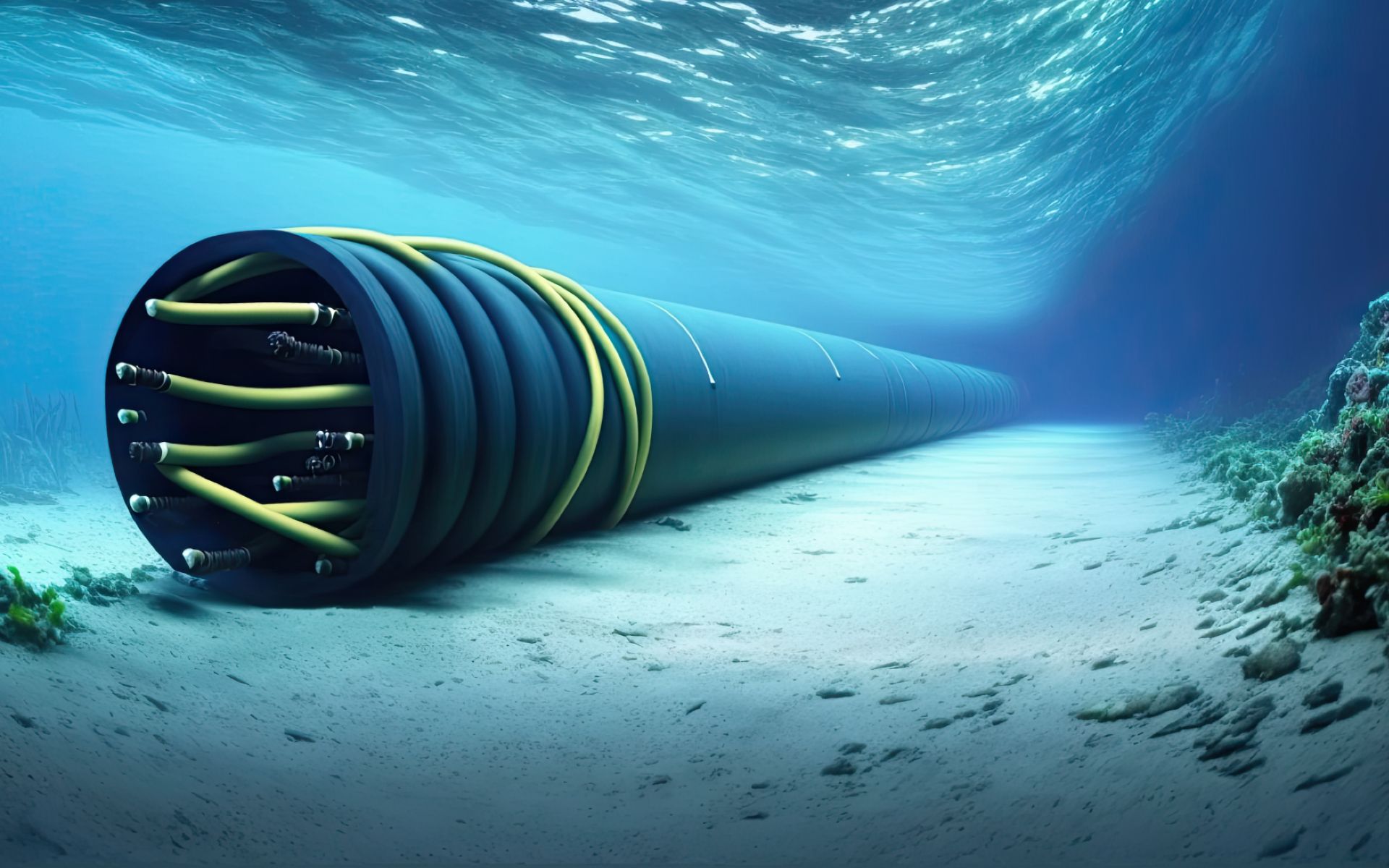
Europe is preparing two major submarine electricity interconnection projects between Spain and Italy, aimed at transferring energy from surplus areas to those with greater shortages. The projects are the 'Apollo Link' and 'Iberia Link' cables, two infrastructures designed to transport large quantities of electricity, especially renewable energy, across the Mediterranean and to improve the connection between national grids.
The more ambitious plan is 'Apollo Link,' a planned link between Spain and Northern Italy with a capacity of 2 gigawatts and a potential operational start in 2032. The cable will directly transport renewable energy from Spain to one of Europe's highest consumption regions, Northern Italy.
Additionally, the cable will use high-voltage direct current (HVDC) technology, which allows for the transmission of electricity over long distances with lower losses and greater control over power flow. According to Xataka, the project does not have the support of the state administrators of Spain and Italy but is an initiative of Italian private investors.
For Spain, the project is a way to export its surplus energy so that it does not remain within the peninsula due to limited transmission capacity. In principle, the main flow will be from Spain to Italy, although the cable can also transport energy from Italy to Spain in case of shortages.
The cable will use the modern standard for long-distance submarine transmission, with bidirectional control and the aim of minimizing losses. Its capacity can supply millions of households with energy and, according to the project promoters, will bring an annual net benefit of 300 million euros.