New details from the backdrop of the two-week ceasefire agreement between the U.S. and Iran shed light on a process filled with tension, pressure, and intense negotiations, where the intervention of the Iranian leadership proved decisive.
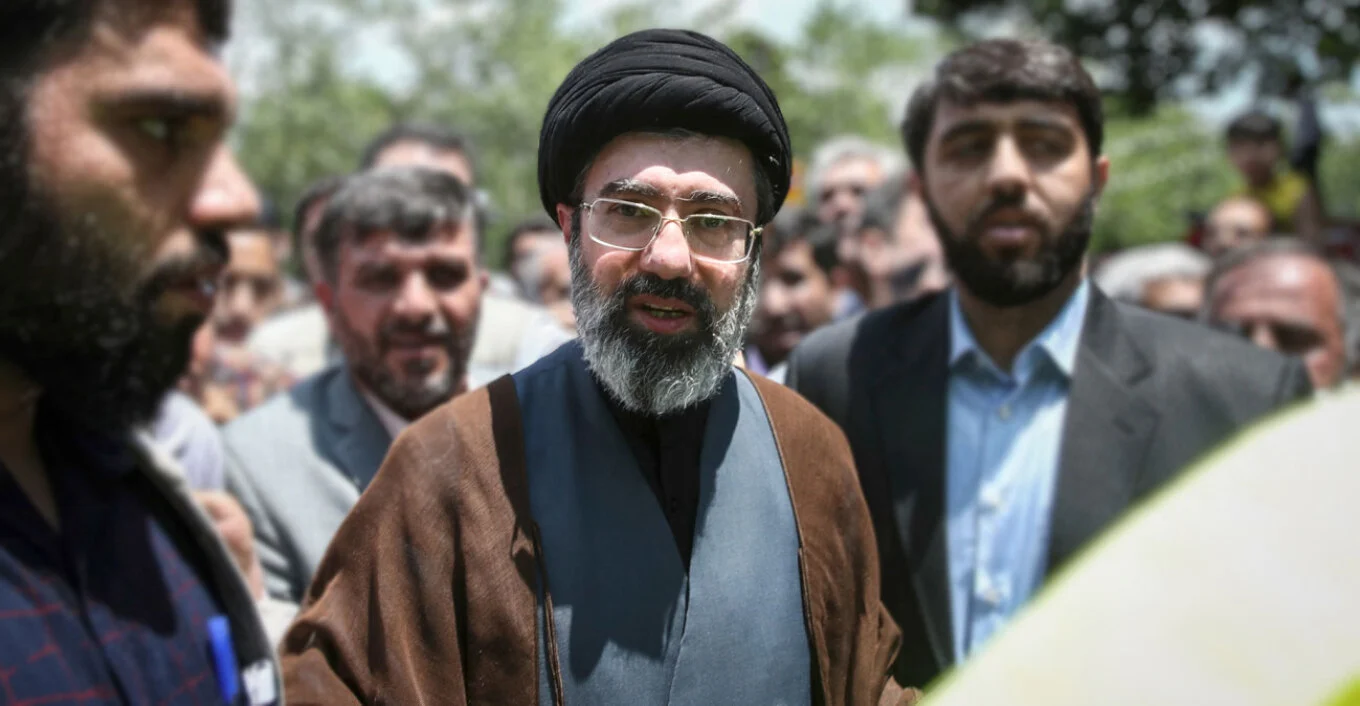
According to an Axios report, Tehran's new leader, Mojtaba Khamenei, gave the decisive signal by instructing negotiators to move toward an agreement, for the first time since the conflict began. Sources emphasize that without his "green light," the agreement would not have been reached.
At the same time, the situation on the ground was on the verge of escalation. U.S. forces in the region and the Pentagon were preparing a large-scale bombing campaign against Iranian infrastructure, while allies in the Middle East were anticipating a possible retaliation from Tehran. A U.S. official described the situation as "chaotic."
Negotiations intensified on Monday when U.S. envoy Steve Witkoff rejected an Iranian counterproposal, calling it a "disaster." After a day filled with reviews and mediation from countries such as Pakistan, Egypt, and Turkey, the parties reached a new compromise draft.
Iranian Foreign Minister Abbas Araghchi played a key role in managing the negotiations and convincing internal structures to accept the agreement, while China also advised Iran to seek a way out of the conflict.
However, tensions remained high even in the final moments. U.S. President Donald Trump issued strong warnings, declaring that "an entire civilization could die tonight," while intensive phone calls with allies were simultaneously taking place. Vice President J. D. Vance and Israeli Prime Minister Benjamin Netanyahu were in constant communication with Washington.
Despite pressure from hardline advisors to reject the agreement, Trump ultimately accepted it after securing Israel's commitment. The final decision was also coordinated with Pakistani Prime Minister Shehbaz Sharif and the Pakistani military command.
After the announcement of the agreement, Iran confirmed that it would adhere to the ceasefire and allow the opening of the Strait of Hormuz for maritime transport, in coordination with its armed forces.
However, the future of the agreement remains uncertain. According to sources, deep differences remain between the U.S. and Iran, while there is a real risk that the war could restart if future negotiations fail. The focus of the talks is expected to be Iran's nuclear program and the limitation of its missile capabilities.