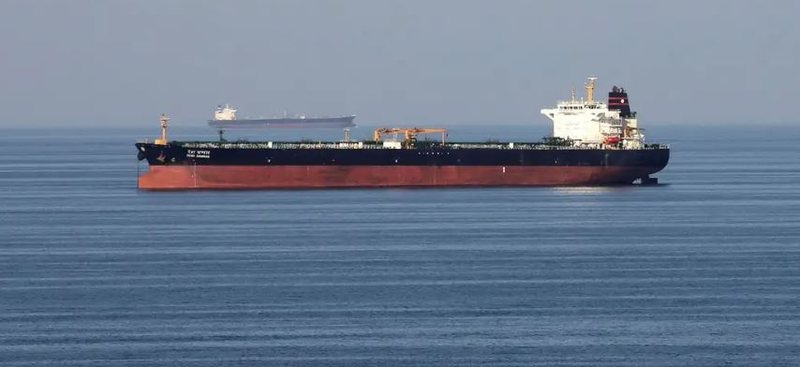
Latest U.S. intelligence reports warn that Iran is not expected to ease its blockade of the Strait of Hormuz in the near future, using control over this vital corridor as a pressure tool against the United States.
According to a Reuters report citing three sources, Tehran aims to keep global energy prices high and strengthen its negotiating positions, as the conflict with the U.S. and its allies enters its fifth week.
The Strait of Hormuz, through which about one-fifth of the world’s oil trade passes, remains nearly paralyzed. Experts assess that this situation could have the opposite effect of its initial intent, increasing Iran’s regional influence and demonstrating its ability to threaten global energy supplies.
U.S. President Donald Trump has downplayed the difficulties of reopening this waterway, suggesting that American forces could do it "easily." In a post on his Truth Social platform, he stated that such an action would bring significant economic benefits.
However, analysts warn that a military intervention to force the strait’s opening could be costly and risk drawing the United States into a prolonged conflict in the region.
Developments in the Strait of Hormuz remain crucial for global markets and energy stability, as tensions between the parties continue to escalate.