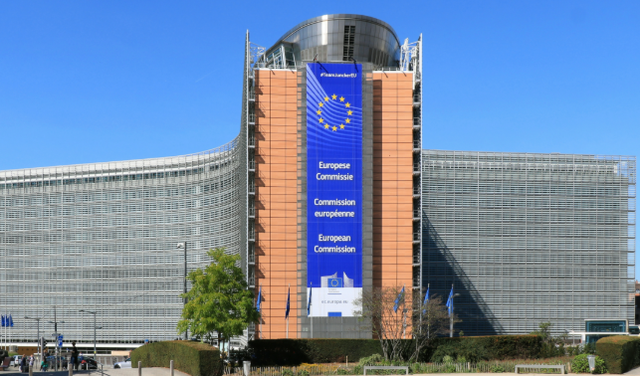
The European Commission has unveiled a new package of measures to cushion the blow to the energy sector from tensions in the Middle East.
Amid turbulent global market conditions, Brussels is striving to maintain a delicate balance: intervening enough to protect the economy without distorting the normal functioning of the market. For this reason, more radical measures, such as imposing price caps, have been set aside for now.
At the heart of the package is easing costs for citizens and businesses. One of the main options is reducing the tax burden on electricity, aiming to make bills more affordable during a period of high inflationary pressure.
Another key element involves more coordinated management of gas reserves. Member states are expected to coordinate purchases and refill storage facilities during the summer to avoid sudden price spikes in winter, when demand typically rises significantly.
The escalation of the current crisis is closely linked to the conflict involving Iran, which has impacted major global energy supply routes, including the Strait of Hormuz. This has led to a sharp increase in gas prices in Europe, reminiscent of the difficult situation in 2022, when the disruption of supplies from Russia shook the markets.
However, this time the approach of European institutions appears more measured. Officials emphasize that a significant portion of the tools remain in the hands of national governments, which have already intervened with billions of euros to mitigate the impact of the crisis on households and businesses.
In the long term, the European Union's strategic direction remains unchanged: gradually reducing dependence on fossil fuels and increasing investments in renewable sources, as well as nuclear energy, to ensure energy security and stability.