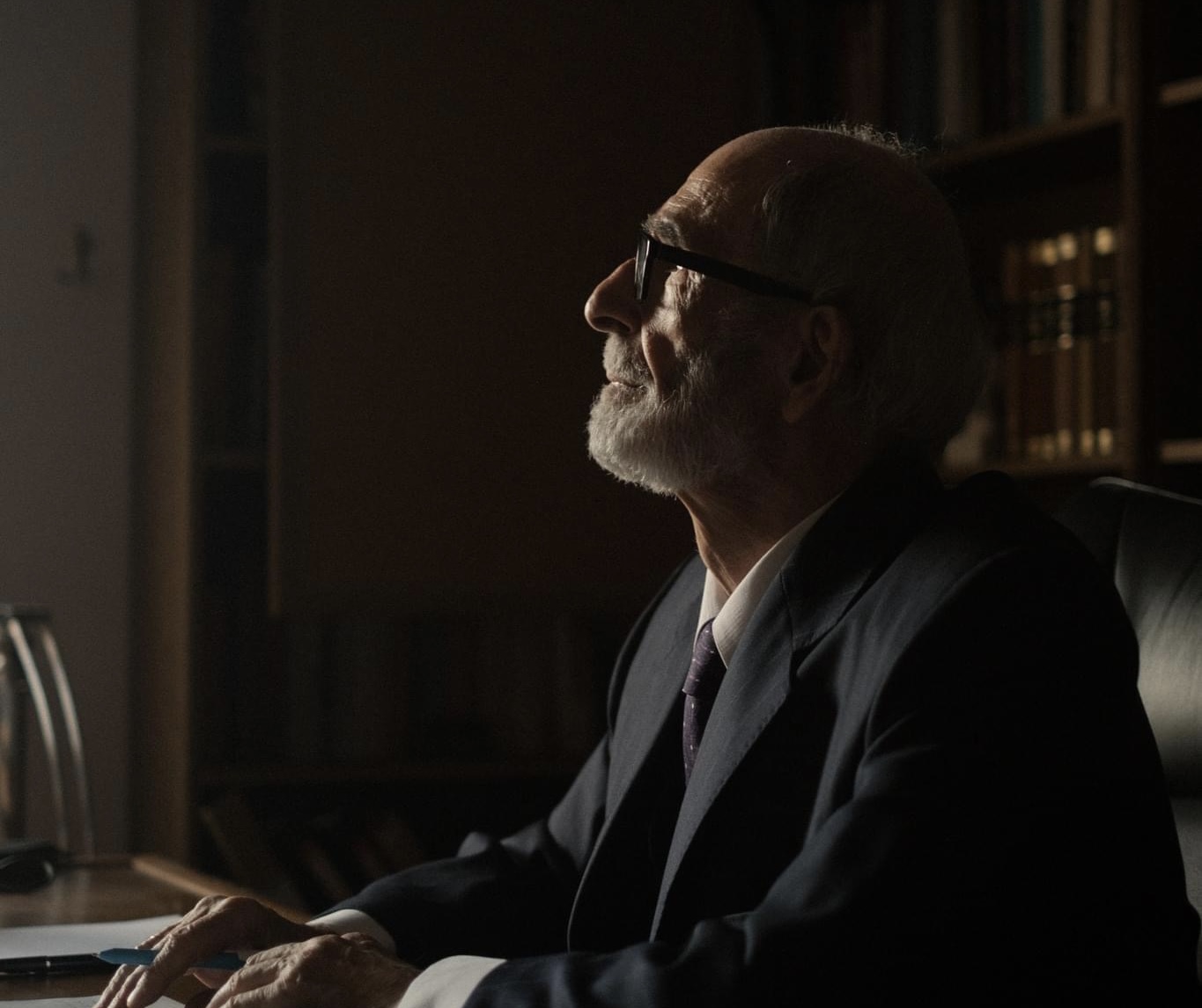
Academician Rexhep Qosja passed away on this 23rd of April at the age of 89, leaving behind an extraordinary legacy in Albanian culture and thought. With a career spanning decades, he was considered one of the most important voices of Albanian intellectualism, a figure who profoundly influenced literature, criticism, and public debates.
Born on June 25, 1936, in Vuthaj, Montenegro, Qosja emerged as one of the most prominent scholars in the Albanian sphere. His academic and creative paths intertwined early on, making him a rare figure who combined scientific research with artistic writing and public analysis. For many years, he contributed to academic life in Kosovo, being part of key institutions for Albanian studies and one of the central figures at the University of Pristina.
His work encompassed a broad spectrum: from literary criticism and scientific studies to novels and essays. Qosja was among those authors who changed the way Albanian literature is read and interpreted, introducing a more analytical and deeper approach to text and context. The novel "Vdekja më vjen prej syve të tillë" remains one of the most representative works of modern Albanian literature, while his studies on figures such as Naim Frashëri and Ismail Kadare contributed to deepening critical thought and literary historiography.
Beyond lecture halls and books, Qosja was an intellectual engaged in public life. He became known for his direct and often polemical stances on issues related to national identity, history, and political developments in Kosovo and Albania. His views sparked intense debates over the years, often placing him at the center of intellectual discussions.
Institutionally, he served as a university professor and a member of the Academy of Sciences and Arts of Kosovo, where he made significant contributions to the development of scientific research and Albanian studies. For many scholars and students, he remains an essential reference in the field of literary history and modern criticism.
Qosja did not stay away from the political developments of his time. In the late 1990s, he became actively involved in Kosovo's political life, founding intellectual forums and later political entities, as well as participating in important international processes, including the Rambouillet talks in 1999. After the war, he also contributed to Kosovo's temporary institutional structures before gradually withdrawing from direct political engagement.
In public debates, he often held positions that divided opinion, including his assessments of certain historical periods and figures such as Enver Hoxha, or discussions on sensitive issues like Kosovo-Serbia relations and ideas for border revisions. These stances made him not only a respected but also a controversial figure in the public sphere.
Despite the controversies, his influence remains undeniable. Through his works, analyses, and public engagement, Rexhep Qosja contributed to shaping Albanian critical thought and enriching intellectual debate. The legacy he leaves behind is not limited to his books but extends to how entire generations of readers and scholars understand Albanian literature, history, and identity itself.