Russia has reacted cautiously following the power shift in Hungary, emphasizing that it expects to see the steps of the new government after the victory of Peter Magyar and the defeat of former Prime Minister Viktor Orbán.
Kremlin spokesperson Dmitry Peskov stated that Moscow aims to maintain "realistic" relations with the new Hungarian leadership. "We will need to be patient and see how things develop. We are interested in building good relations with Hungary and other European countries," he expressed.
Peskov added that it remains to be seen whether the new government will change its stance regarding the European Union's 90-billion-euro fund for Ukraine, which had been blocked by Orbán. He also mentioned the future of the Druzhba oil pipeline, a key issue for the region's energy supply.
However, according to him, the election outcome in Hungary is not directly linked to the war in Ukraine, describing it as a separate process.
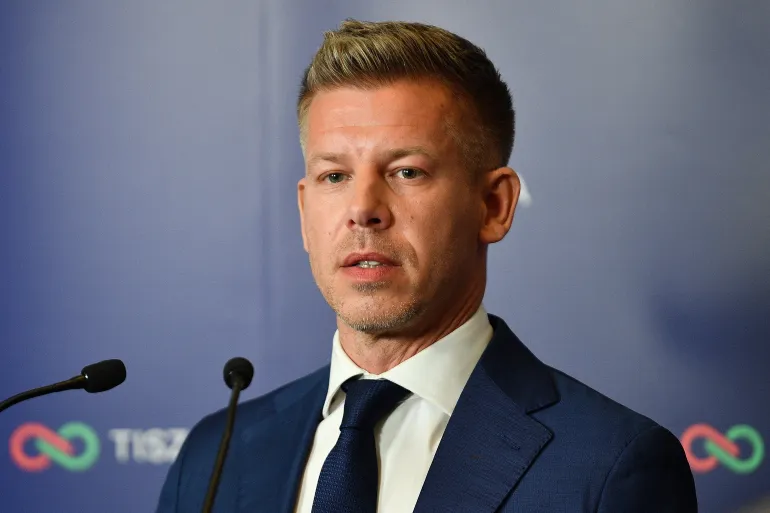
On the other hand, Hungary's new Prime Minister, Peter Magyar, signaled a more balanced approach toward Moscow. "We will talk, but we will not become friends," he declared to the media, emphasizing that dialogue is necessary due to geographical realities and energy dependence, but without aiming to strengthen relations with Russia.
The elections mark a significant political turn in Hungary, where the opposition has secured a strong majority, potentially up to two-thirds of parliament, paving the way for deep institutional changes after 16 years of Orbán's governance.
The opposition's victory is seen as a clear signal for change from Hungarian voters, who mobilized record participation in the elections. However, challenges remain significant, as the new government must balance domestic reforms with international pressures and high expectations for change.
Analysts view Orbán's defeat as a blow to Russia's influence in Europe and a signal against rising populism, although a considerable portion of the electorate continues to support previous policies.