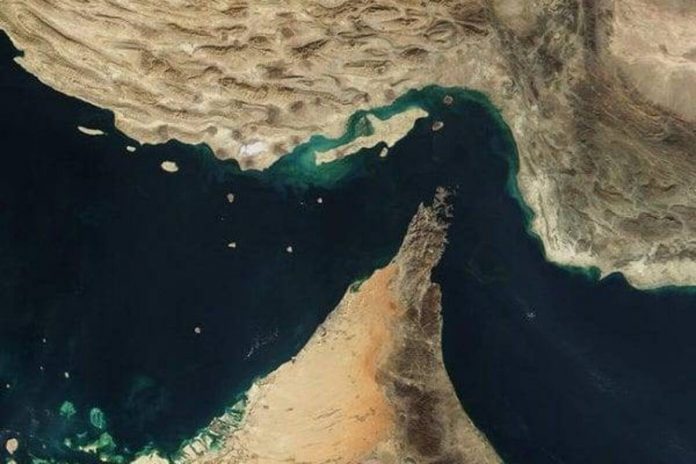
The EU's bill for importing fossil fuels has increased by more than 25 billion euros since the start of the conflict in the Middle East two months ago, without bringing additional energy supplies. The crisis in the Middle East is increasingly exacerbating negative economic effects within the Union. The EU will present an Action Plan by summer to expand the production and use of renewable energy within the Union, aiming to reduce dependence on oil imports as much as possible. The nearly two-month blockade of the Strait of Hormuz has deepened the energy crisis in the EU, with its impacts weighing on the economies of all countries on the continent. European Commission President Ursula von der Leyen, during a summit in Cyprus with EU leaders and Middle Eastern partners, called for intensified diplomatic efforts to bring an end to the war. "This includes the full and permanent restoration of freedom of navigation in the Strait of Hormuz without tariffs," von der Leyen emphasized. The President of the European Commission proposed expanding EU missions from maritime defense toward more advanced joint maritime coordination. European Council President Antonio Costa also joined the call for continued diplomacy, stressing that the war in the Middle East has had catastrophic consequences for the population, infrastructure, and the global economy.
Society
EU Economic Crisis Worsens / EU Leaders: Efforts to End Conflict and Open Hormuz
The EU's bill for importing fossil fuels has increased by more than 25 billion euros since the start of the conflict in the Middle East two months ago, without bringing additional energy supplies. The crisis in the Middl
ingestionalbania