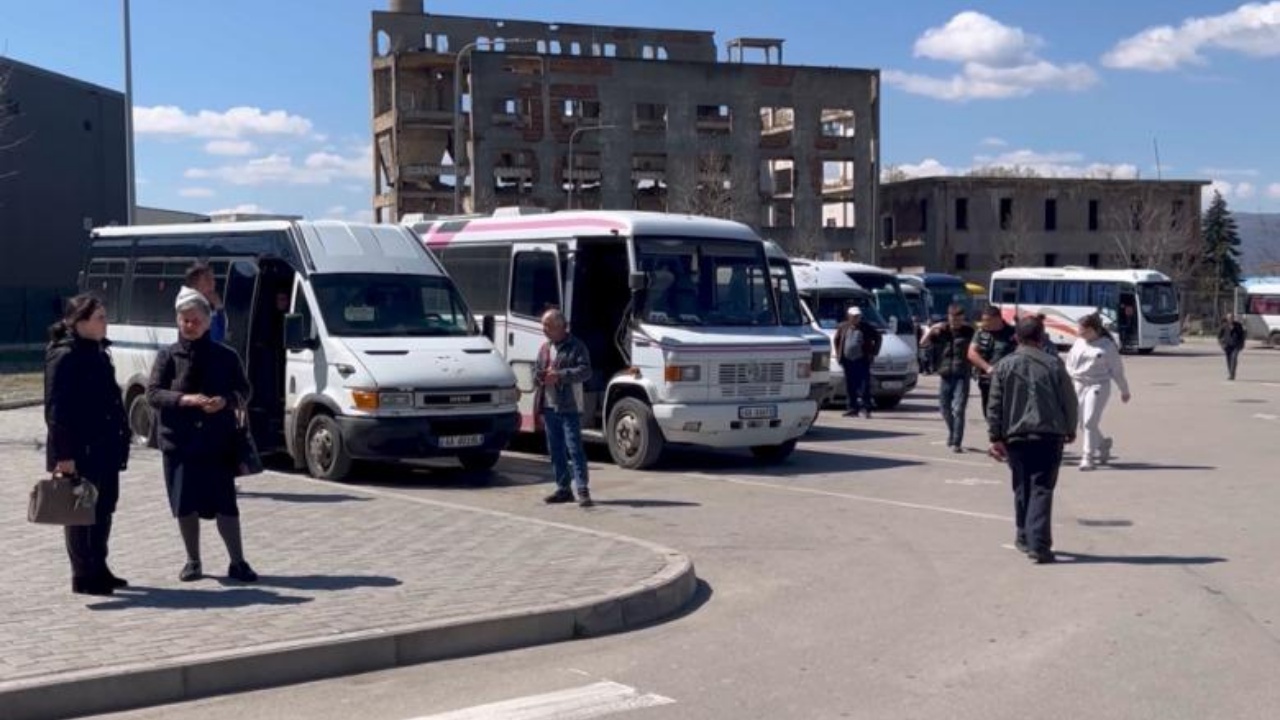
On February 21, when the Librazhd-Përrenjas axis collapsed, interurban transport vehicles were forced to traverse the Tirana-Korçë route and vice versa via a mountainous and winding road through Gramsh, extending travel time up to 5 hours. These additional 2 hours on the road also translated into costs, simultaneously increasing the ticket price from 700 to 1,000 lekë.
The difficulty in reaching the southeastern part of the country, an isolation that also translated into losses for domestic tourism, was resolved after 11 days, on March 3, when authorities opened a temporary road on the collapsed axis in Librazhd. Korçë began to be traversed again in nearly 3 hours. However, the ticket price remained higher than the original. Today, travel from Tirana to Korçë costs 800 lekë, not 700, as it was before the road collapsed.
"I have an average pension. What they are doing should never happen. How can we travel with so little money? Now I am sick, I need to go to the hospital, who will support me?"
"It is expensive. Unaffordable," said some citizens.
But what influenced this situation? At the end of February, the war in Iran began, and in the first days of March, the immediate impact was reflected in the global oil price increase of 10-13% after transport was affected in the Strait of Hormuz. Without any decision, but passed silently under this climate of war and price increases, the travel ticket to the southeast remained 800 lekë.
For the Interurban Transport Association, these prices are abusive, as despite the crisis, prices are set and changed only by a Decision of the Council of Ministers. Finally, the association has held meetings with government representatives and received a promise of a 100 lekë subsidy per liter.