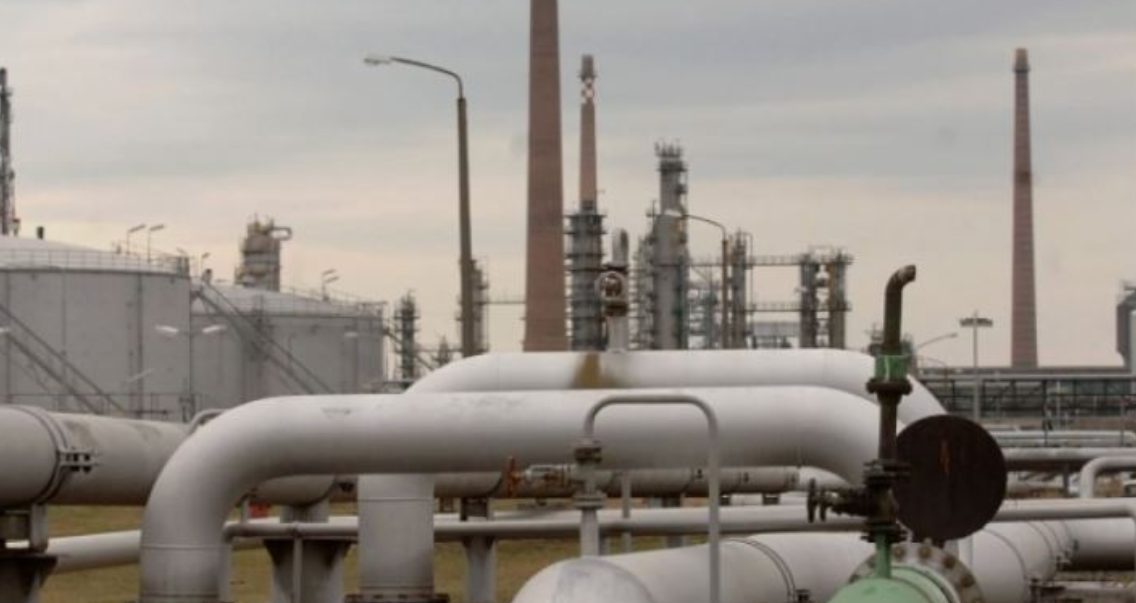
Ukrainian President Volodymyr Zelensky announced on Tuesday that Russian oil supplies via the Druzhba pipeline are set to resume, thereby easing the tense and ongoing disputes and clashes between Kyiv and Hungary and Slovakia, two European Union member states. The Druzhba pipeline had been out of service since the end of January after Kyiv reported it was damaged by a Russian attack.
"Ukraine has completed repair work on the damaged section of the Druzhba oil pipeline that was hit by a Russian attack. The pipeline is now ready to resume operations," Zelensky stated.
The Ukrainian president declared that no one can guarantee that further Russian attacks on this pipeline will not occur in the future, while adding that Ukrainian experts have laid the groundwork for the full restoration of the system and equipment functionality.
The Ukrainian president also expressed hope that the European Union will unblock a 90 billion euro (approximately 106 billion dollars) loan for Kyiv in the coming days, emphasizing that all obstacles have now been removed.
"Ukraine has fulfilled the requirements set by the European Union," he said, adding that he had also discussed the financial package issue with the President of the European Council, António Costa. This loan, considered vital financial support for Ukraine amid Russian aggression, had been blocked by Hungary due to the suspension of Russian oil transit via the Druzhba pipeline.
EU foreign policy chief Kaja Kallas stated after the Foreign Affairs Council meeting on April 21 that a "positive decision" on the loan could be expected "within 24 hours." Budapest and Bratislava accused Ukraine of blocking transit for political reasons, allegations that Kyiv denied. Both countries escalated the conflict on February 18 by halting diesel exports to Ukraine.
Hungary and Slovakia, both landlocked countries, were the only EU nations still receiving Russian oil through the southern branch of the Druzhba pipeline. This route accounts for about 86–92% of Hungary's oil imports and nearly all of Slovakia's supply.
Hungary's outgoing Prime Minister Viktor Orbán, considered one of the most Kremlin-friendly leaders in the EU, had placed this issue at the center of his election campaign, accusing Ukraine of "energy blackmail."
According to a letter sent by Orbán to António Costa on April 20, Budapest had received signals from Brussels that Ukraine was ready to restore oil transit. He added that once transit resumes, Hungary will lift its veto on the loan "without delay."