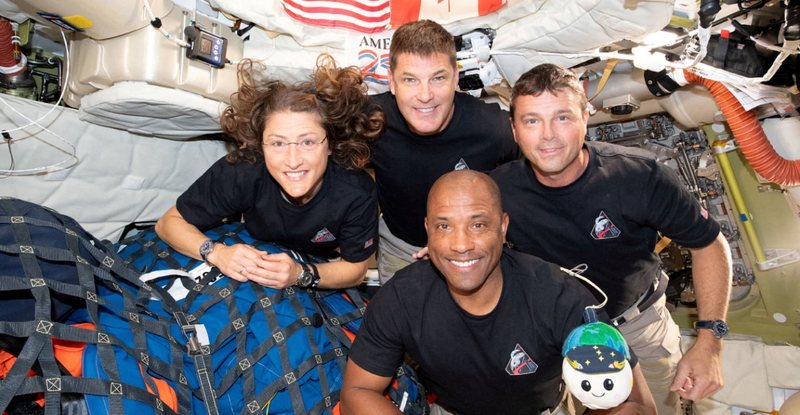
This moment is considered the most sensitive and dangerous of the mission, as the capsule will face atmospheric friction at about 40,000 km/h and extreme heat of 2,760 degrees Celsius. Orion's heat shield, composed of thick layers of silica fiber and epoxy resin, is designed to dissipate this heat and protect the lives of the four astronauts, who have traveled farther than any previous mission to the Moon. The trajectory and parachute system are optimized to ensure a safe splashdown in the Pacific Ocean, near the coast of San Diego, California. NASA has conducted simulations and improvements to the Avcoat thermal shield after difficulties encountered in the 2022 tests, enhancing crew safety, although it has never been tested under the extreme conditions of an actual return. Trained U.S. Navy divers will be at the landing site to transport the astronauts to the amphibious ship John P. Murtha, where they will undergo medical checks and a quarantine period. This historic mission is not just a technological achievement; it marks an extraordinary moment for humanity, showcasing the courage, capabilities, and determination of people to explore space and understand more about the universe.
Society
The most dangerous phase of the mission, here's how the return of Artemis II will be carried out.
This moment is considered the most sensitive and dangerous of the mission, as the capsule will face atmospheric friction at about 40,000 km/h and extreme heat of 2,760 degrees Celsius. Orion's heat shield, composed of th
ingestionalbania