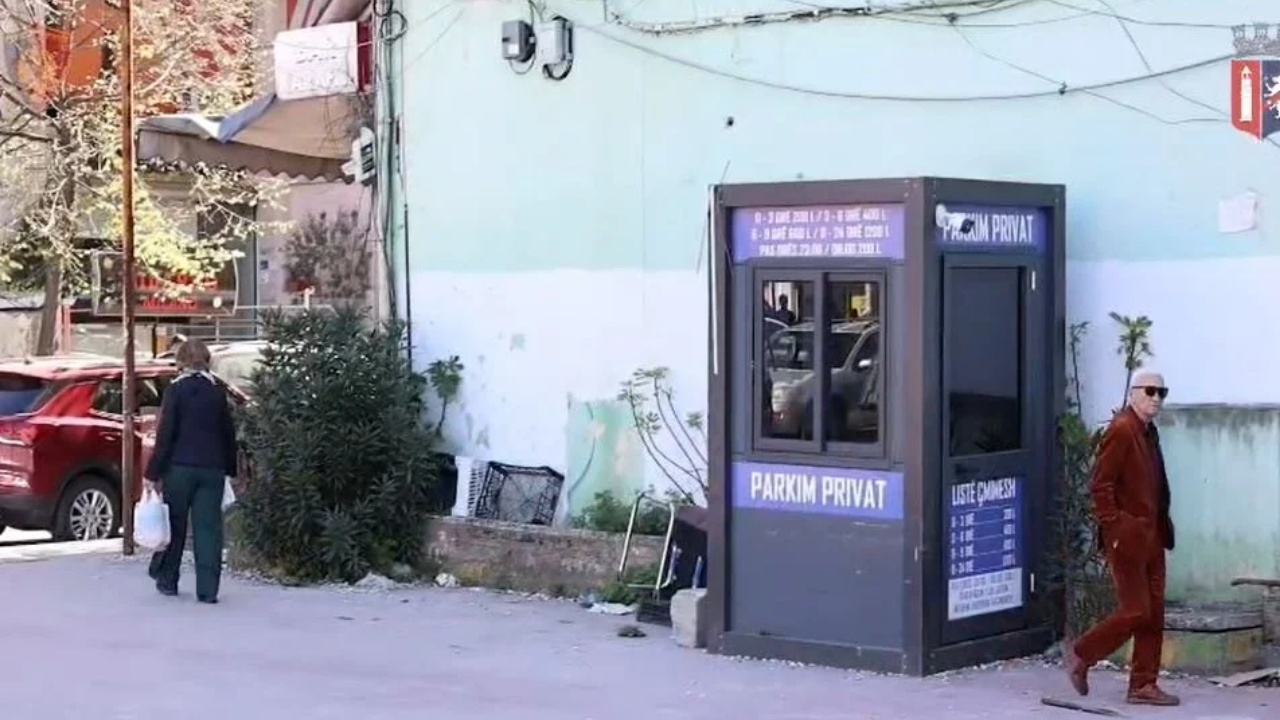
This morning, the State Police, in cooperation with the Municipality of Tirana, the Municipal Police, and the Territory Protection Inspectorate, continued on-site monitoring to clear public spaces from unlawfully occupied parking and to prevent the reoccupation of previously cleared areas.
Today's monitoring has focused on the area covered by Police Station No. 2 in Tirana, one of the zones experiencing increased issues with the blocking and seizure of public spaces.
The Deputy Mayor of Tirana, Blendi Sulaj, emphasized that the Municipality of Tirana has identified 75 locations where spaces are being used for paid parking. Additionally, even within neighborhoods or residential areas, many cars occupy citizens' parking spots, with these spaces often taken by a single individual.
The Municipal Police and the Territory Protection Inspectorate, with the support of the State Police, will take measures to clear these unlawfully occupied spaces.
Deputy Mayor Sulaj has called on all entities engaged in illegal parking activities in Tirana, giving them a two-day deadline to voluntarily cease operations; otherwise, they will face the full force of the law.
Meanwhile, during the monitoring, the Director of the Tirana Local Police Directorate, Director Elton Alushi, stressed that the Tirana Police are in a continuous monitoring process and will proceed with criminal procedures against anyone attempting to block these spaces.
Simultaneously, the Director of Tirana has announced that the Tirana Police have all the logistical capacity to seize equipment used for blocking these public spaces.
Previously, the General Director of the State Police, Major Director Skënder Hita, during a meeting with the leaders of the Local Police Directorates and the police stations under the Tirana LPD, demanded unequivocally that police structures do not allow the reoccupation of public spaces and cooperate with the municipality to clear spaces that have been unjustly taken.
Monitoring will continue uninterrupted in all cities across the country to prevent the seizure of public spaces that have been previously cleared or that may be attempted to be blocked again.