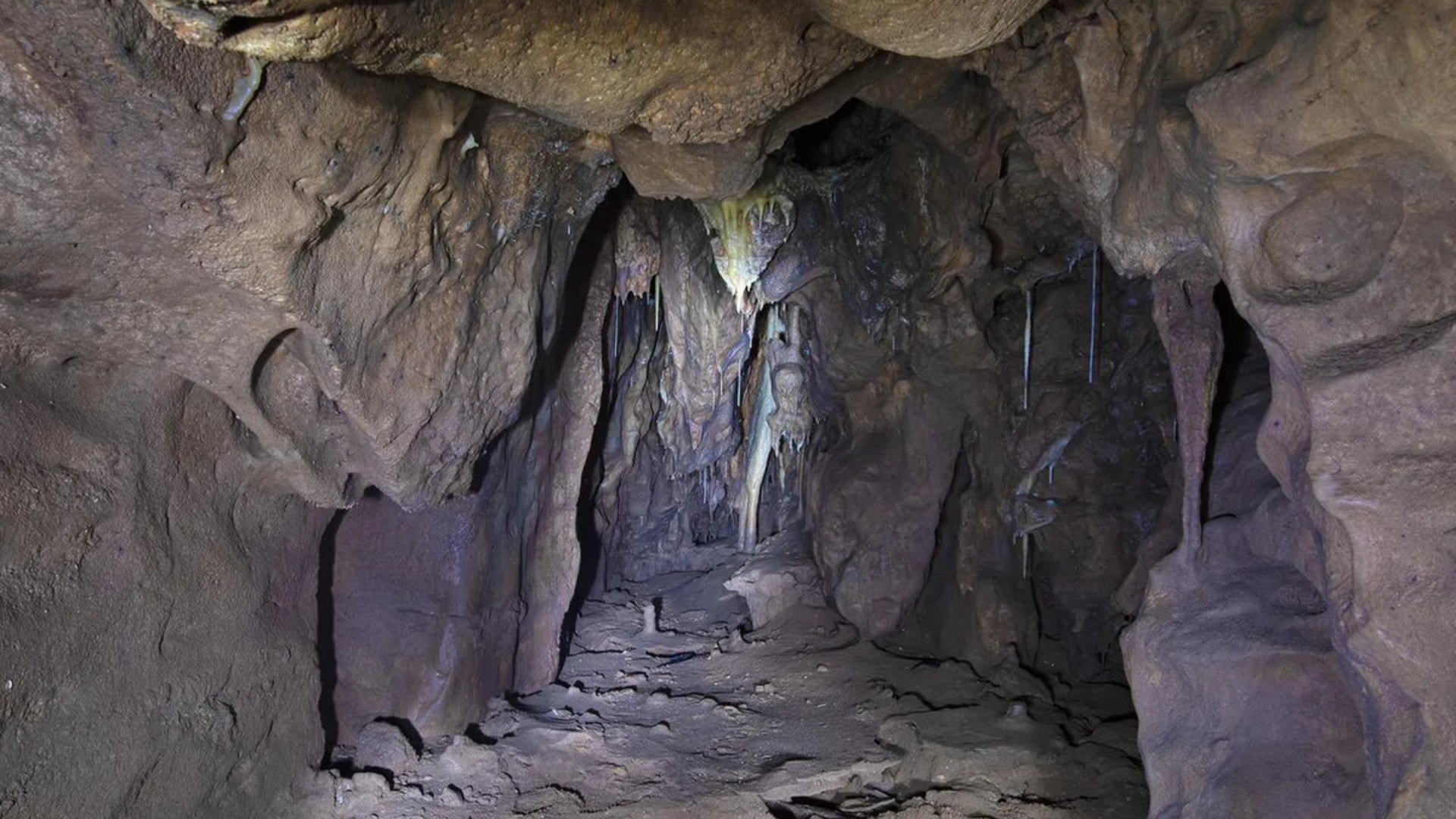
A rare archaeological discovery in Gibraltar is shedding new light on the lives of Neanderthals, providing significant evidence of their existence in Europe much later than previously thought. This involves an isolated space, sealed for about 40,000 years, discovered at the back of Vanguard Cave, part of the Gorham's Cave Complex, a UNESCO protected area. Researchers believe this could be a "time capsule" where the last Neanderthals in Europe lived.
Archaeologists from the Gibraltar National Museum have uncovered a chamber approximately 13 meters long, located in a high part of the cave and completely isolated from the external environment. Inside, various animal remains were found, including bones of lynx, hyenas, and vultures, as well as traces of a large predator and a sea turtle shell.
According to the museum's director, Clive Finlayson, the fact that the sand layer sealing the chamber dates back about 40,000 years indicates that this space is even older and was likely used by Neanderthals.
The complex includes several caves, such as Gorham, Vanguard, Hyaena, and Bennett, which contain evidence of human life spanning over 100,000 years. This site is considered key to understanding Neanderthal behavior, showing that they hunted, used decorative elements, and created simple forms of art.