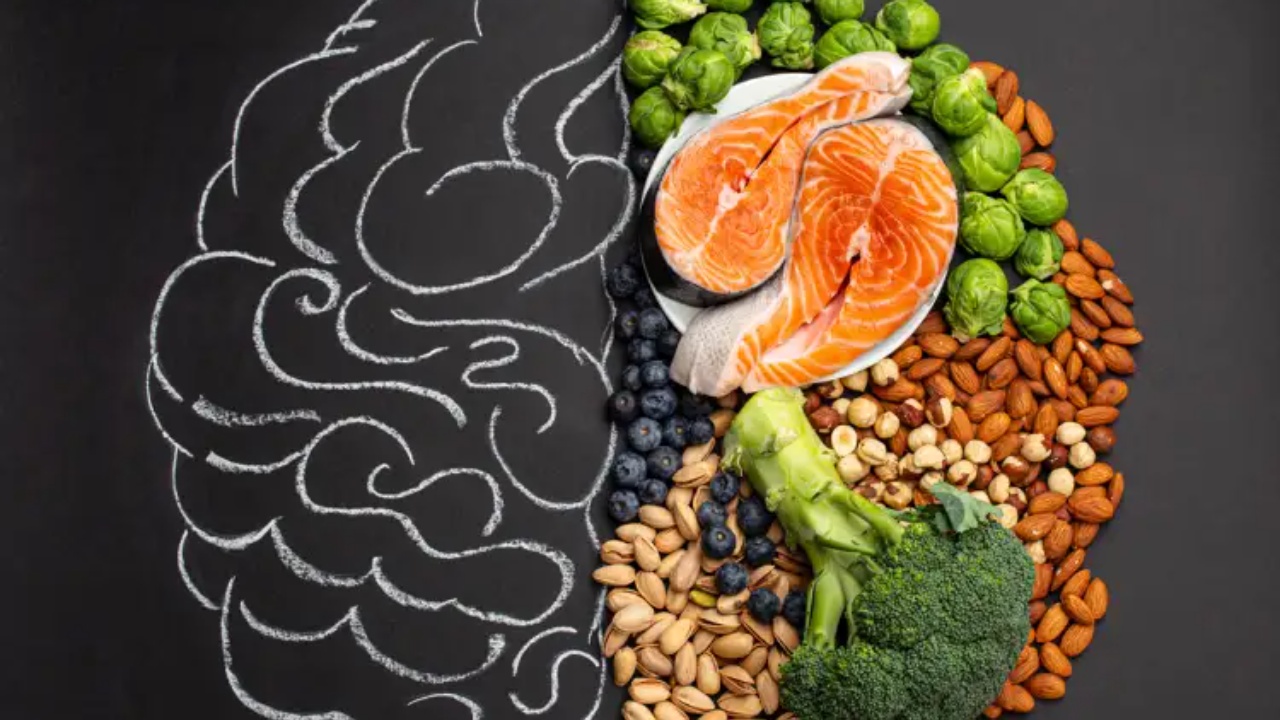
Recent studies are shedding increasing light on the connection between nutrition and mental health, showing that what we consume daily affects not only our bodies but also how we feel emotionally. A growing field, known as nutritional psychiatry, emphasizes the role of diet in supporting mental well-being and treating certain psychological disorders.
Experts explain that this connection occurs through the digestive system, often referred to as the "second brain." The gut contains billions of microorganisms that influence the production of neurotransmitters, chemicals that regulate mood, sleep, and emotions. For this reason, a diet rich in healthy foods can positively impact mental state.
Balanced dietary patterns, abundant in fruits, vegetables, whole grains, fish, and healthy fats, are linked to lower stress levels and reduced risk of depression. The Mediterranean diet is considered one of the most effective ways to support brain health, thanks to its high content of nutrients and antioxidants.
On the other hand, consuming processed foods, added sugars, alcohol, and caffeine in high quantities can negatively affect mood and energy. Experts also suggest including probiotic and prebiotic foods, such as yogurt, kefir, or fermented vegetables, to maintain the balance of gut microflora.
However, specialists emphasize that dietary changes do not replace professional treatment for mental health issues. A combination of healthy eating, lifestyle, and professional support remains the most effective approach for overall well-being.