NATO allies have signaled they will not participate in U.S. President Donald Trump's plan to establish a blockade in the Strait of Hormuz, preferring a limited approach that envisions intervention only after the conflict ends. This stance is expected to increase tensions between Washington and its European partners.
The statement comes after Trump announced that the U.S. military would cooperate with other countries to control maritime traffic in this strategic corridor, following the failure of recent negotiations between the U.S. and Iran. Subsequently, the Pentagon clarified that the measure would primarily target vessels destined for or originating from Iranian ports.
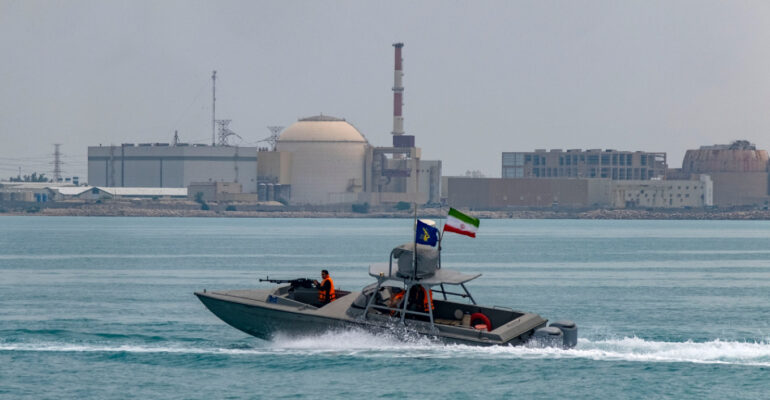
Since the outbreak of the conflict on February 28, Iran has significantly restricted movement in the Strait, allowing mostly only its own maritime vessels. Tehran aims to consolidate this control and impose fees on ship passage through one of the most important routes for global oil supply.
"The blockade will begin soon and will have international support," Trump declared on his Truth Social platform. However, key NATO countries, including Britain and France, have refused to engage in such an operation.
British Prime Minister Keir Starmer emphasized that London will not participate in actions directly linked to the conflict. "We do not support the blockade and will not engage in war, regardless of pressures," he stated to the BBC.
Instead, European countries are working on a joint initiative aimed at guaranteeing freedom of navigation in the Strait through a multinational protective mission. This plan envisions escorting tankers and coordinating naval fleets, but only after a sustainable ceasefire is in place.
NATO Secretary General Mark Rutte has indicated that the alliance could intervene if all 32 member countries agree to establish a joint mission.
On the other hand, French President Emmanuel Macron announced the organization of a conference with European partners to coordinate this initiative. According to him, the mission will have a strictly defensive character and will not be involved in combat operations.
Diplomatic sources reveal that a meeting to concretize the plan could take place soon in Paris or London, with the participation of around 30 countries. According to them, the presence of warships will aim to create a climate of security for maritime transport without becoming part of military clashes.
However, it remains unclear how Washington will react to this initiative, as the Trump administration considers control over the Strait as a strategic pressure tool against Iran.