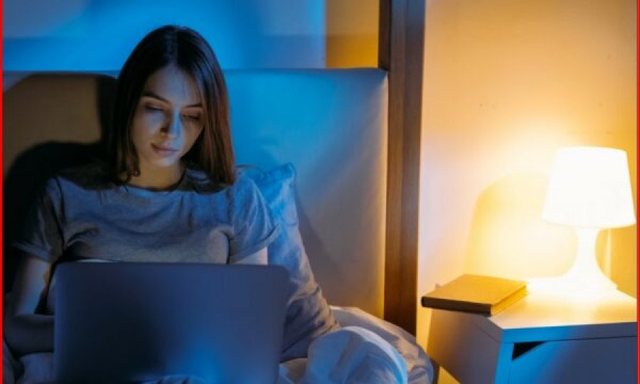
A new trend on social media is drawing attention: "bedtime stacking," a method supposedly combining relaxation with productivity—but experts warn it may be harmful to sleep. This concept, made viral by TikTok user Linnéa Pham, involves going to bed early—even around 8:30 PM—but not to sleep immediately. Instead, the idea is to bring a range of activities and items to bed: a laptop, tablet, e-books, creams, light snacks, a remote control, or even a journal. The goal is to finish tasks or personal routines in a comfortable environment without needing to leave the bed. Some consider this a form of "habit stacking"—combining several activities into a single moment. However, sleep specialists do not support this practice. They emphasize that using electronic devices in bed can negatively impact the circadian rhythm, making it harder to fall asleep and reducing sleep quality. Additionally, eating in bed is considered not only unhealthy but also problematic from a hygiene standpoint, as it can attract insects and create mess. Another concern is the disruption of a regular sleep routine. Although the idea of going to bed early may seem positive, maintaining a consistent schedule is essential for quality sleep. While the trend may appear cozy and aesthetically pleasing—especially on social media—experts warn that it promotes an unrealistic idea: being simultaneously relaxed and productive. In the end, the advice remains simple: the bed should be used primarily for sleep (and perhaps relaxation), so that the body associates it with rest rather than daily activities.
Society
"Bedtime stacking": A new sleep trend? What the experts say
A new trend on social media is drawing attention: "bedtime stacking," a method supposedly combining relaxation with productivity—but experts warn it may be harmful to sleep. This concept, made viral by TikTok user Linn
ingestionalbania