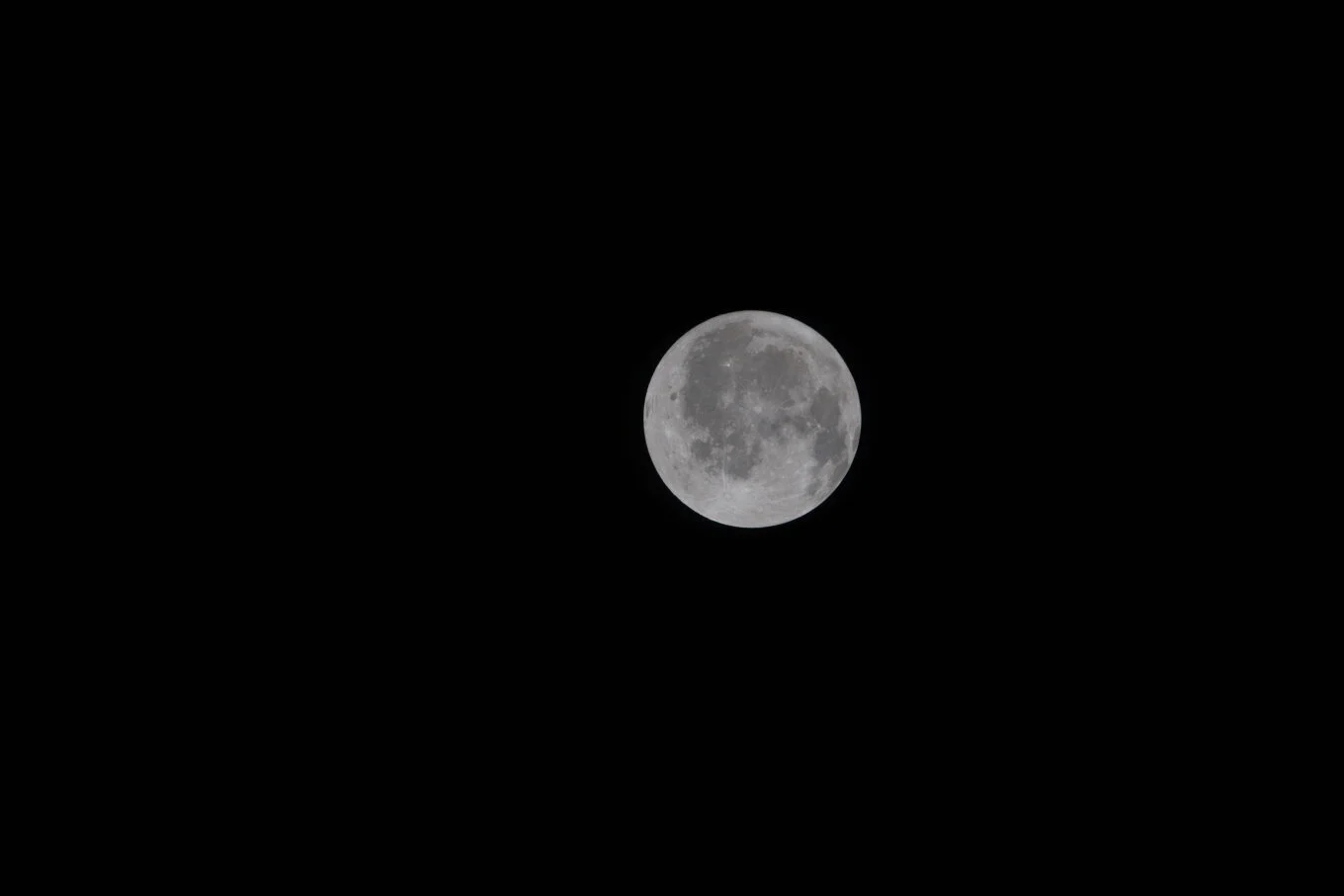
Artemis II astronauts have seen the far side of the Moon for the first time, as the Orion spacecraft made its closest approach to Earth's natural satellite in a historic moment for space exploration. NASA released images from the fourth day of the mission, on April 5, where the crew managed to see a rare view of Earth and the Moon simultaneously, shortly before the closest approach that occurred a day later. Footage captured from inside Orion shows Earth at a spectacular angle, while a simulation published by NASA summarizes in a short video what the astronauts see during the flight near the Moon. According to the space agency, the crew has been trained for years to take advantage of every observation opportunity, while scientists at the control center in Houston have combined data from Orion's orbit and the Lunar Reconnaissance Orbiter to create a detailed overview of the mission. History in the making In this new image from our @NASAArtemis II crew, you can see Orientale basin on the right edge of the lunar disk. This mission marks the first time the entire basin has been seen with human eyes. pic.twitter.com/iqjod6gqgz One of the most special moments was the first visual contact with the far side of the Moon, which is not visible from Earth. Mission specialist Christina Koch described the view as "absolutely stunning," highlighting the significant difference from what people usually see from our planet. Thanks to our @NASAArtemis II astronauts for working on the weekend! The fourth day of their mission brought more crew preparations for Monday's trip around the Moon and stunning new images from their vantage point. What views are you most excited to see? pic.twitter.com/CFmFYQRmYT NASA also released an image of the Orientale basin, a giant multi-ring crater created by an asteroid impact, marking the first time this area has been directly observed by human eyes. Meanwhile, astronaut Reed Wiseman emphasized that the view of Earth and the Moon at the same time is "truly breathtaking," describing a unique moment where Earth was almost in eclipse, while the Moon was almost fully illuminated. During the flight, the crew will carry out an intensive program of scientific observations, including monitoring the lunar surface and visually visiting the areas where the Apollo 12 and Apollo 14 missions landed. The mission is expected to continue with other important observations, including a unique moment where the Sun will disappear behind the Moon, creating an eclipse visible from a rare angle in space.
Society
Artemis II astronauts see the far side of the Moon for the first time, NASA releases rare footage
Artemis II astronauts have seen the far side of the Moon for the first time, as the Orion spacecraft made its closest approach to Earth's natural satellite in a historic moment for space exploration. NASA released images
ingestionalbania