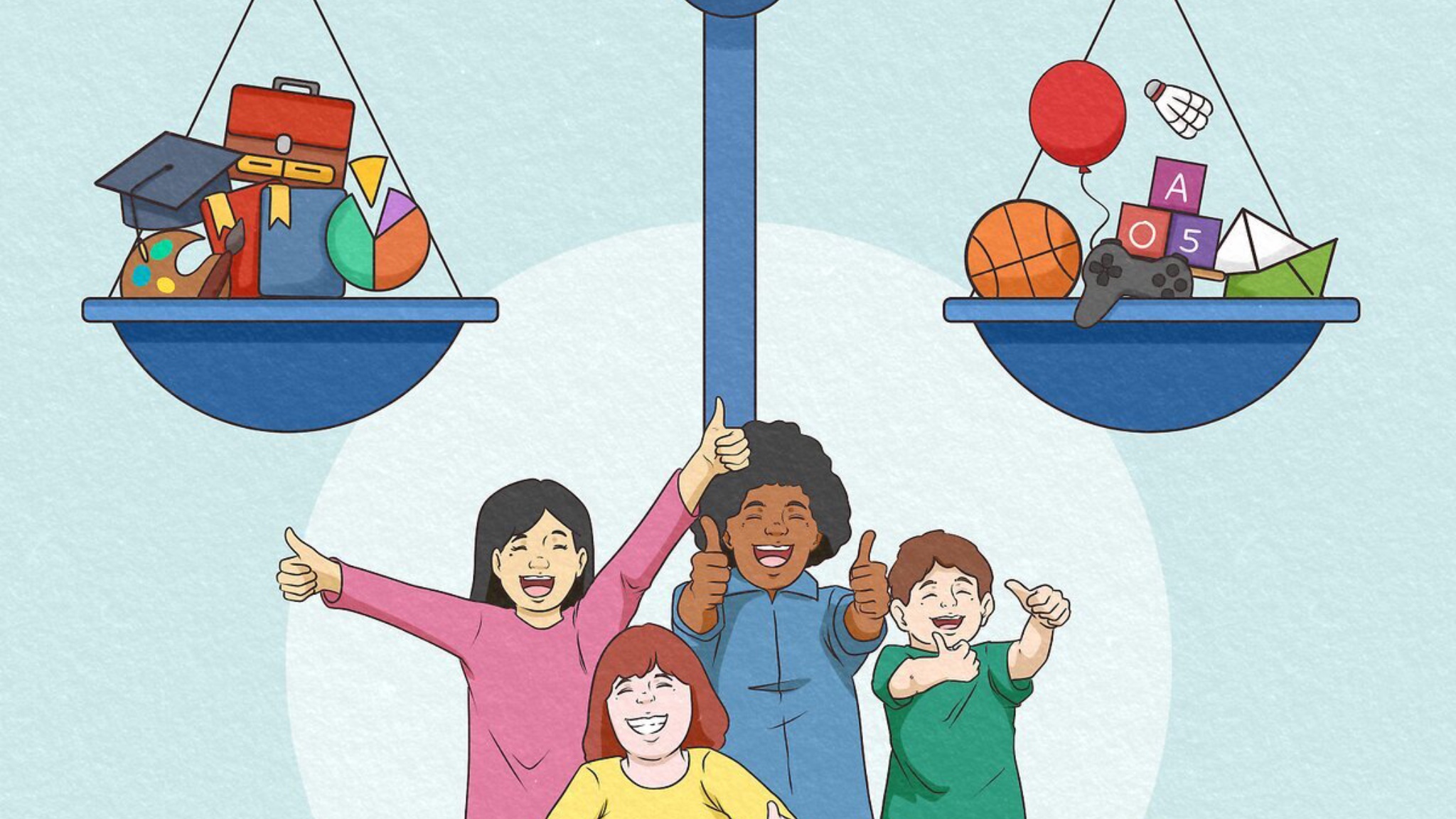
At a time when the education system often focuses on grades and rote learning, Albert Einstein's advice on raising smart children sounds more distinct than ever. According to a story published years ago and recently brought back into the spotlight, the legendary scientist was asked by a mother how she could help her son become successful in science. His answer was unexpected: read him fairy tales. In fact, he insisted that children should listen to "even more fairy tales." For Albert Einstein, imagination was essential for the development of intelligence. He believed that creativity and curiosity are far more important than blind discipline or high grades—a stance that clashes with many traditional education models. Einstein himself had a difficult relationship with school. He dropped out of secondary school in Munich due to the rigid system and later continued his studies in Switzerland, where he found a freer approach to learning. According to him, fairy tales act as an "exercise" for children's minds. They help develop imagination, language, and the ability to think creatively. Through stories, children learn to make connections, predict events, and analyze situations—skills that are also crucial in science. Experts today agree that these elements influence not only academic intelligence but also emotional intelligence. In an increasingly complex world, the ability to think differently and be creative is becoming just as important as theoretical knowledge.
Society
Einstein said it bluntly… The secret to smart children is not grades, but something parents often neglect?
At a time when the education system often focuses on grades and rote learning, Albert Einstein's advice on raising smart children sounds more distinct than ever. According to a story published years ago and recently brou
ingestionalbania