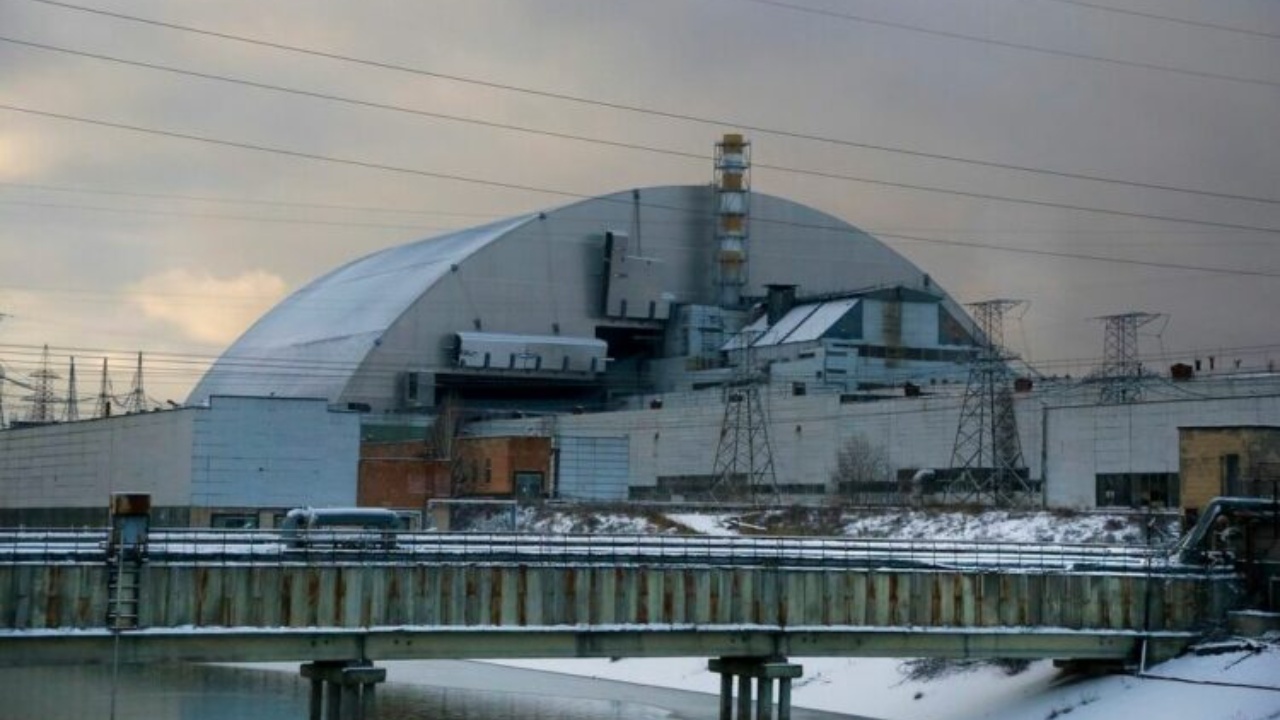
In April 1986, a routine test at the Chernobyl nuclear power plant near the city of Pripyat turned into the worst nuclear disaster in history. The explosion of reactor No. 4 caused a massive release of radioactive substances, affecting not only Ukraine but all of Europe and beyond.
The accident occurred during a drill to test the power system in the event of an outage. Although the procedure was routine, a fatal combination of human errors and serious design flaws in the reactor led to an uncontrolled power surge. Within seconds, a powerful steam explosion occurred, followed by another explosion that completely destroyed the reactor core.
According to analyses by the International Atomic Energy Agency, the accident was caused by several combined factors: a dangerous design of the RBMK reactors, a lack of robust safety mechanisms, and violations of operating rules. The reactor had characteristics that made it unstable under certain conditions, while operators had disabled several safety systems during the test.
The "human factor" also played a major role. Operators had reduced the reactor's power to dangerous levels and removed most of the control rods, significantly increasing the risk of an uncontrolled reaction. Experts later emphasized that this was a consequence of a weak safety culture in the Soviet Union at the time.
The consequences were catastrophic. Large amounts of radioactivity were released for about 10 days, while the radioactive cloud spread across Europe, first detected in Sweden. The city of Pripyat was evacuated 36 hours after the explosion, and its residents never returned.
According to international estimates, thousands of people died directly or indirectly from the effects of radiation, while the impacts on health, the environment, and the economy continue to this day.
The Chernobyl disaster permanently changed the global nuclear industry. New safety standards and international cooperation organizations were established, while oversight was significantly strengthened. However, another major accident, the Fukushima Daiichi disaster in Japan in 2011, showed that the risk has not been completely eliminated.
Experts assess that today the technical probability of an accident like Chernobyl is much lower due to improvements in technology and safety. However, they warn that the human factor and management remain weak links.
"No one can guarantee that such a catastrophe cannot happen again," specialists say.