What was described by President Trump just a week ago as a "feasible" proposal to end decades of hostility with Iran is now unraveling under the weight of maximalist demands and new geopolitical realities. While the world awaited a historic signing, today's analysis shows the gap between Washington and Tehran has never been wider, leaving the region on the brink of economic and military collapse.
Unlike 2015, when the Obama administration focused almost exclusively on uranium enrichment, the 2026 crisis has a new epicenter: the Strait of Hormuz. Iran is no longer simply seeking sanctions relief; it is demanding a rewrite of global shipping rules. Their proposal to impose taxes on oil passing through this strategic chokepoint has struck global markets like lightning, forcing the Trump administration to choose between a deal that would lower fuel prices at home or accepting a strategic humiliation where Iran controls the world's energy tap.
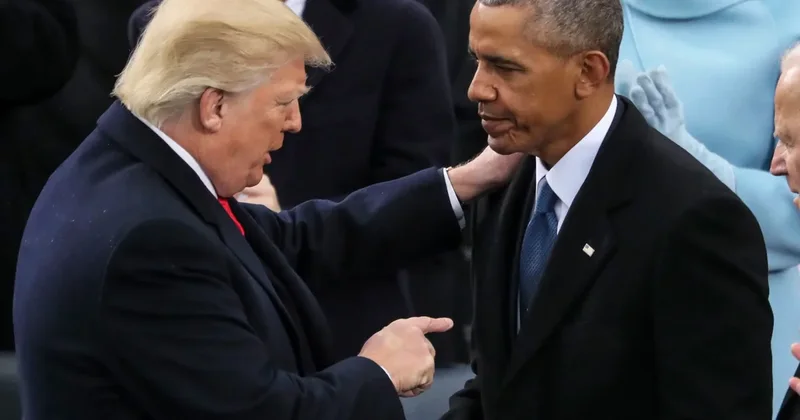
CNN analysts note that comparison to the 2015 JCPOA is inevitable but disheartening. Where Obama built a framework of physical inspections and slow multilateral diplomacy, Trump is attempting a diplomatic "quick strike." The new American strategy replaces UN inspectors with AI-powered satellite monitoring and the threat of immediate airstrikes. Critics say this is a dangerous gamble: if technology fails or Iran conceals its movements, the world could wake up to a nuclear Iran overnight, with no on-the-ground guards to stop it.
According to sources within the White House, the administration itself is divided. On one side, pragmatists like Kushner and Witkoff see the potential for economic stability that would aid the election campaign. On the other, "hawks" like Secretary of State Marco Rubio are blocking any concession that would grant Iran legitimacy over international waters. This rift is making the American position appear wobbly in the eyes of both allies and adversaries.
With over 900 pounds of enriched uranium still in Iranian stockpiles and oil prices soaring, CNN's analysis concludes that the time for a "golden deal" may have passed. Iran has learned that control of Hormuz is more valuable than any diplomatic promise, while Washington is discovering that neither maximum pressure nor quick diplomacy can undo the new reality of a Middle East slipping from U.S. control.