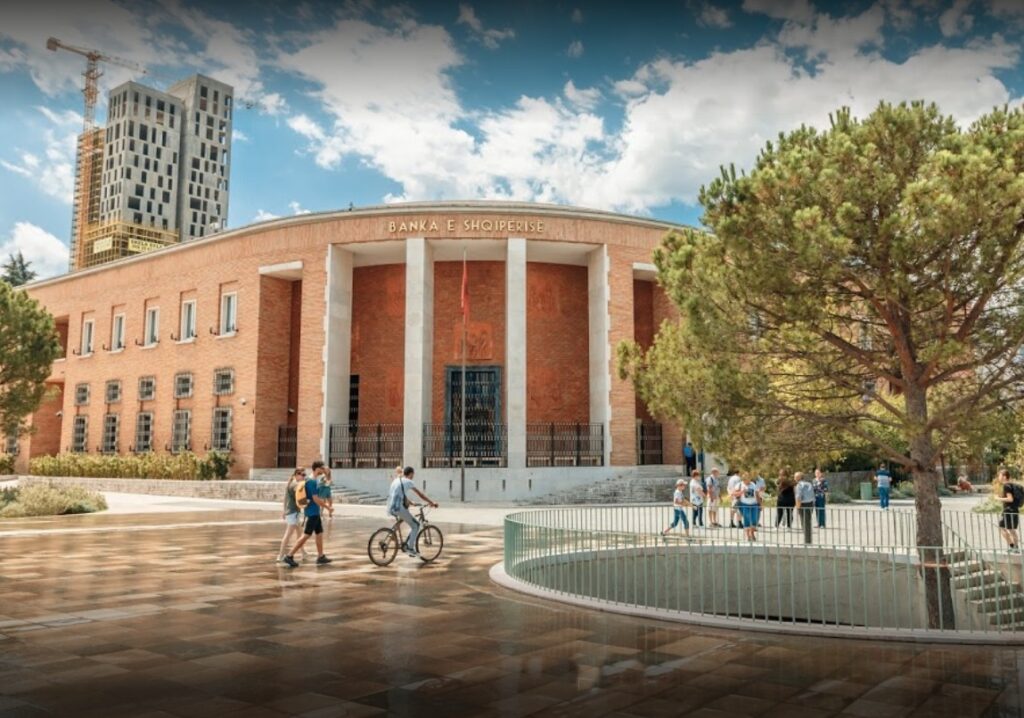
Albania is facing an existential workforce crisis, with nearly 40% of its human potential already choosing to build their lives beyond its borders. The Bank of Albania’s Annual Report for 2025 has further highlighted concerns over emigration with alarming figures, classifying it not merely as a social wound but as a risk that is undermining economic growth and destabilizing many sectors in the country.
“It is alarming. The problem is not emigration itself for the first time; the concern lies in its long-term effects. This is not the first wave of emigration. The worry is the consequences that emigration brings. Educated and skilled young people are leaving—those who are promoters of economic development, the energy, the drive,” said social issues expert Eris Dhamo.
According to the Central Bank, the labor market is under strain, with businesses struggling amid structural shortages and an inability to find workforce. Although companies are using wages to retain staff, social experts point to a range of other factors compelling people to leave.
“Today we have wage increases, but they are not competitive with the EU. To retain people, we must ensure employment, housing, and a dignified life. The fact that emigration is rising shows current policies have not delivered results. We have some youth initiatives, national plans, subsidies, and an increase in their migration numbers. But due to the consequences, policy has been fragmented,” adds Dhamo.
Yet, despite a fundamental structural problem in the labor market, the Bank of Albania’s 2025 annual report presents a positive trend in macroeconomic indicators, forecasting employment growth, a decrease in unemployment, and inflation within the set target of 3%.