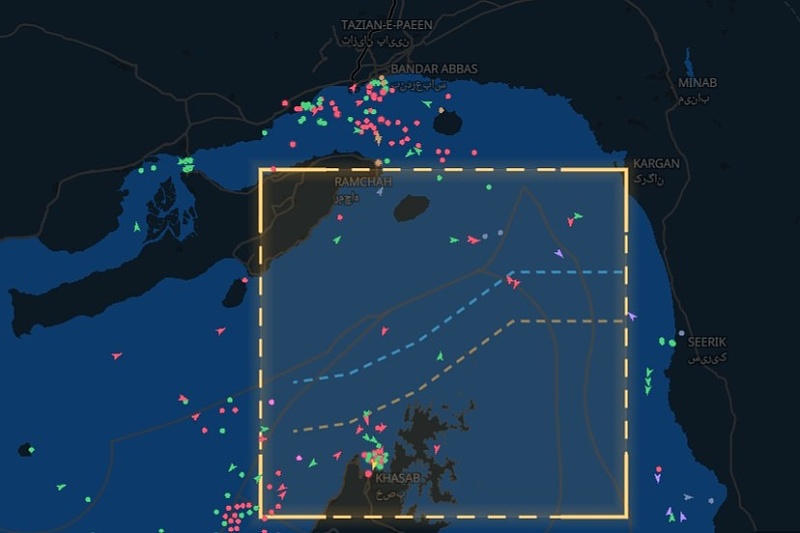
Iran has announced that a key maritime passage, through which approximately 20% of the world's oil and liquefied natural gas (LNG) typically passes, cannot be reopened due to apparent ceasefire violations by the United States and Israel.
Speaking on the BBC's Today program, Tim Wilkins, Executive Director of the tanker association Intertanko, described how the closure has left seafarers stranded off the coast of Iran.
Wilkins explained that there is a high level of anxiety, stress, and fatigue on the ships, as crews must manage basic supplies such as food and water, as well as practical tasks like waste disposal.
"Many are stuck on board with no certainty about when they will be able to return home," he added.
Despite the ceasefire agreement between Iran and the U.S., conflicts have continued on the region's waterways. Last week, Iran announced it had seized two cargo ships in the strait for inspection, while other vessels reported attacks while attempting to pass through the strait.
Meanwhile, the U.S. has intercepted several ships after imposing a blockade on maritime traffic entering and leaving Iranian ports on April 13.