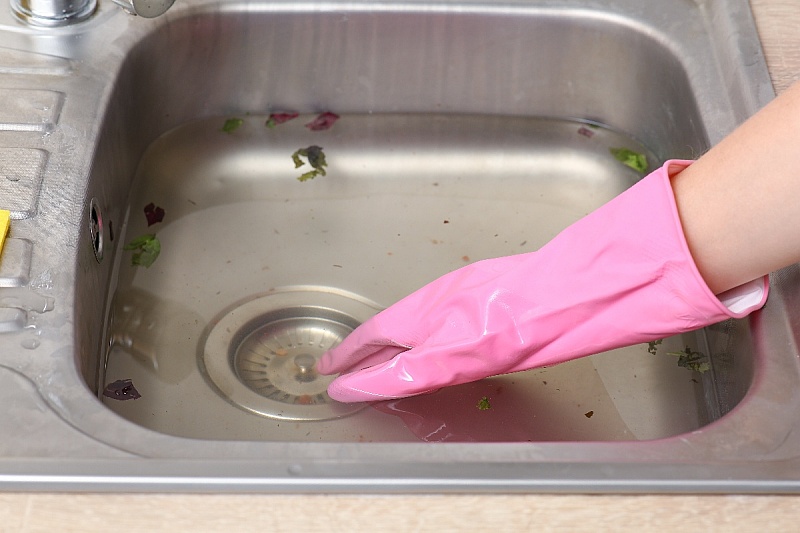
Kitchen sponges are considered one of the most contaminated items in a household. One study has shown that sponges can contain enormous amounts of bacteria, including potentially dangerous species. Researcher Markus Egert emphasizes that their porous structure and moisture create ideal conditions for the growth of microorganisms. The sink, especially the drain, is often one of the most contaminated places in the kitchen. According to the same research, the combination of food residue, moisture, and heat allows bacteria to multiply rapidly. This is why experts warn that the sink requires regular and thorough cleaning, not just rinsing with water. Cutting boards come into direct contact with raw ingredients, especially meat. If not cleaned properly, bacteria can transfer to other foods. Microorganisms can remain in tiny grooves on the board's surface, increasing the risk of food contamination. Surfaces we constantly touch, such as door handles and light switches, are often full of bacteria because we rarely clean them. Although they may not look dirty, they are key points for the spread of microorganisms within the home, as bacteria are transferred from person to person via hands.
Society
These everyday items in your home harbor the most bacteria.
The dirtiest things in the home are not always the ones that look dirty, but the ones we use constantly. Regular cleaning and disinfection of these surfaces significantly reduce the risk of spreading bacteria in the home.
ingestion