About 80% of the seized crude oil was destined for the Asia-Pacific region. Faced with dwindling supplies, governments in the region are implementing emergency measures such as sending workers home, banning government travel, rationing fuel, and shortening school hours.
The problem is particularly severe in the Pacific. Many island nations rely on diesel for power generation. In response, leaders have declared a regional state of emergency.
Fuel import bills were already a heavy burden for Pacific nations, prompting efforts to transition to local renewable energy sources. Fuel bills could rise by 933 million Australian dollars in Fiji, three times the health budget.
When energy supply is disrupted, leaders have three options: tap into reserves, reduce usage, or switch to alternatives. In the very short term, countries aim to choose a direction.
Countries have also taken measures to reduce consumption. This could have long-lasting consequences. During the Middle East oil shocks of the 1970s, oil prices tripled and then doubled again. Authorities responded by improving energy efficiency to achieve more with less. Global per capita oil demand peaked in 1979 and never recovered.
But the real difference from half a century ago is that alternatives to fossil fuels are ready for deployment. Since the 1970s, the price of solar panels has fallen by 99.9%, while wind energy costs have dropped by 91% since 1984. Battery prices have fallen by 99% since 1991. This means it is now sustainable for many nations to transition to these alternatives.
The European Union will accelerate electrification after its fossil fuel bill increased by more than $36 billion since February this year. France has doubled state aid to help households switch to electric vehicles and electrify home heating. South Korea, dependent on imports, gets 70% of its crude oil through the Strait of Hormuz. It now plans to double renewable energy capacity within four years.
Electric vehicles at a tipping point?
This year's oil shock shows signs of creating an unplanned social tipping point—a threshold for self-change after which systems shift from one state to another. Scientists warn of climate tipping points that amplify feedback and accelerate warming. But scientists also point to positive tipping points—collective actions that rapidly accelerate climate action.
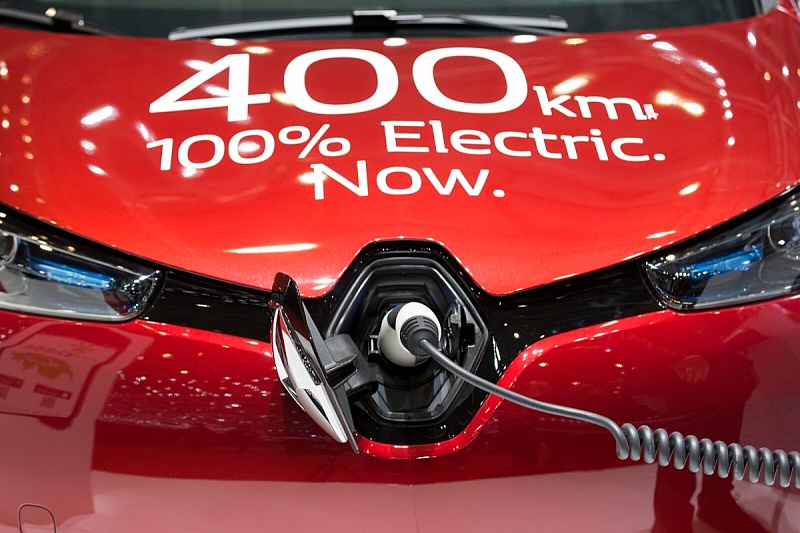
The rush to electric vehicles is a good example. In Australia, petrol prices rose by nearly 50% in March, and diesel by more than 70%. Unsurprisingly, sales of new electric vehicles are at record levels, while sales of used electric vehicles more than doubled last month. Even 1.3 million hybrid and battery vehicles in Australia avoid the use of nearly 15 million liters of petrol and diesel every week.
The mass shift to electric transport is global. Most new Chinese cars are powered by batteries, not oil. One in four new cars sold in Germany is electric, outselling petrol cars for the first time, and their impact is growing stronger month by month.