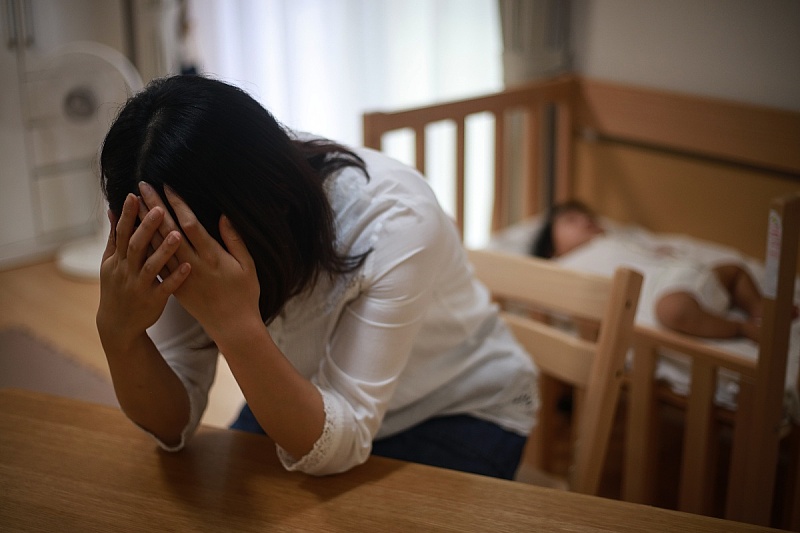
While it is common for new parents to experience the so-called baby blues in the week after childbirth, symptoms that last longer, are severe, persistent, and interfere with daily functioning may be a sign of postpartum depression (PPD).
Baby blues can sometimes indicate a risk of postpartum depression. Symptoms can affect your emotional, physical, or cognitive health and can strongly impact your relationship with your baby, partner, and others.
A person with postpartum depression may experience a wide range of emotions, and their mood may fluctuate throughout the day. The emotions caused by postpartum depression are severe and pervasive. Here are some emotional symptoms you might experience:
Postpartum depression can cause significant changes in your physical well-being, including:
Postpartum depression can affect cognitive abilities, including problems with thinking, concentration, and the formation of negative thought patterns. Some possible cognitive symptoms are: difficulty concentrating, brain fog, trouble making decisions, confusion, thoughts of harming your baby, and suicidal thoughts.
Impact on your relationships
Postpartum depression can make it difficult to connect with others and strain your relationships. Here is how it may manifest.
Symptoms in partners
Society typically associates symptoms of postpartum depression with the person who gave birth, and it is true that postpartum depression is influenced by the physical demands of pregnancy, childbirth, and the postpartum period, as well as hormonal changes.
However, the partner of the parent who gave birth can also experience mental health impacts. Research has shown that new fathers and parents can experience signs of postpartum depression. Up to 10 percent of new fathers experience symptoms of depression in the first year after the child's birth.
Individuals at increased risk include younger fathers and partners, those with a history of depression, and those with financial problems. Complications during pregnancy or childbirth can increase the likelihood that a father or partner will develop depression.
Symptoms of chronic postpartum depression
Everyone experiences postpartum depression differently. In some people, symptoms decrease within a few months to a year, especially if they seek treatment.
In some people, postpartum depression lasts for months and years, increasing over time. This is more likely to happen if you do not seek treatment.
Untreated postpartum depression can become a chronic condition. Research has shown that approximately 25 percent of individuals with postpartum depression still have symptoms three years after childbirth.
Chronic postpartum depression can become a chronic depressive disorder if left untreated. Untreated postpartum depression can also cause health problems, relationship issues, and poor parenting choices.
It can also affect the children of a parent who has the condition. This can lead to increased problems with emotion management in the child, language development issues, sleep problems, and emotional regulation difficulties. It can also increase the child's risk of developing obesity and attention deficit hyperactivity disorder (ADHD).
When to see a doctor
You should not hesitate to contact a doctor if you have any physical, emotional, or cognitive issues after childbirth.
If your symptoms are mild and disappear after two weeks, you likely do not have postpartum depression. Symptoms that are severe and last longer than two weeks may indicate that you are dealing with postpartum depression, and you should seek help and support.
If you are thinking about harming yourself or your baby, or having suicidal thoughts, this is an emergency and you should seek immediate medical help.