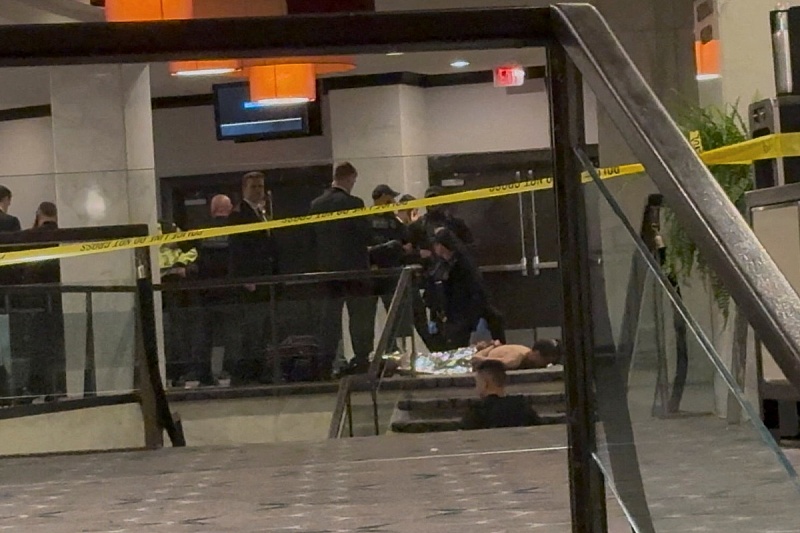
According to statements from former Secret Service agents and U.S. officials to Reuters, agents stopped a suspect on Saturday evening before he reached the basement level of the Washington Hilton hotel, where Trump was scheduled to speak. However, the fact that some guests could hear shots fired at a Secret Service agent raised questions about how the attacker managed to get so close to a secured event.
Current assessments suggest that the protective perimeter around the president at large public gatherings could be further expanded, although this would make public access more difficult. At the dinner, guests had to pass through metal detectors only to enter the ballroom, while a ticket sufficed for entry into the hotel.
A person familiar with the event's organization stated that some attempted to enter with last year's tickets, and officials claim that the man from California may have bypassed even this basic check by checking into the hotel several days earlier.
Bill Gage, a former Secret Service agent, said the review will likely focus on moving metal detectors further from the ballroom and expanding the outer security perimeter. He added: "The Secret Service will have to find a way to better secure large hotels, even if it inconveniences guests and the hotel itself."
The shooting also highlighted issues in evacuating other high-ranking officials. Reuters reports that Trump was removed from the scene just over 30 seconds after the last shots, while Robert F. Kennedy Jr. left only after at least 100 seconds, and Marco Rubio and Pete Hegseth after about 150 seconds.
Don Mihalek, a former senior Secret Service agent, said: "I'm sure the service will review the entire setup again and likely expand the perimeter even further because of what happened."