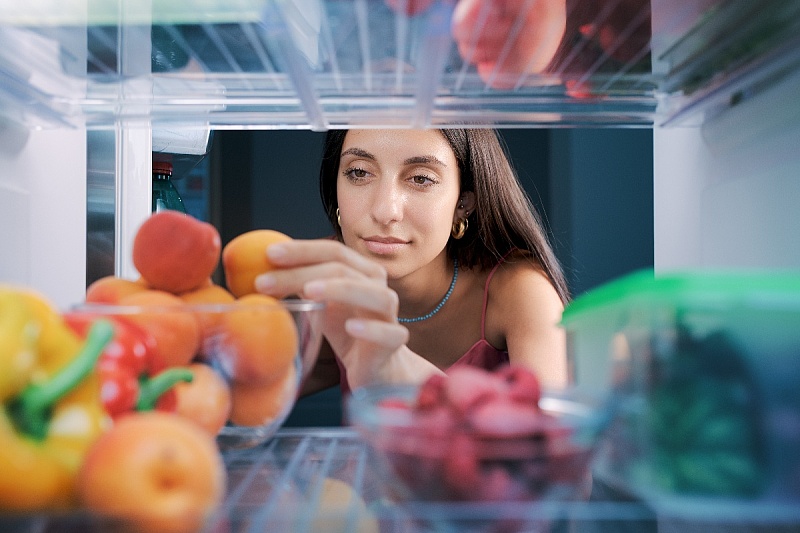
Although it is packed with vitamins, fiber, and antioxidants, experts warn that certain types of fruit are not the best choice for the evening—especially if you are trying to lose weight.
According to WebMD, your body works more slowly in the evening, and your metabolism slows down, meaning sugars from food are stored as energy more quickly. Therefore, eating sweet fruit late at night can contribute to weight gain or make weight loss more difficult.
Fruit that is not recommended for evening consumption includes those with higher natural sugar content. According to Health, this includes bananas, grapes, mangoes, and pineapples. Although these are natural sugars, they can have a similar effect on blood glucose levels as processed foods. In the evening, such foods can cause a rapid spike in blood sugar, followed by a crash. This not only affects hunger but also sleep quality.
According to the Mayo Clinic, what you eat in the evening has a significant impact on your sleep. Foods high in sugar can cause restless sleep because the body takes longer to regulate glucose levels. This leads to poorer recovery and more fatigue the next day, which can also indirectly affect your appetite and food choices.
As reported by Verywell Health, fast-acting carbohydrates, including those from fruit, can cause blood sugar fluctuations. This leads to increased cravings, even when the body does not actually need extra energy. Therefore, eating sweet fruit in the evening can trigger additional snacking and make it harder to control daily calorie intake.
According to Johns Hopkins Medicine, some fruits have a lower glycemic index and contain more fiber, meaning they release sugar into the bloodstream more slowly. If you are going to eat fruit in the evening, berries or less sweet fruit in smaller portions are a better choice. The key is not to overdo it and to combine fruit with other nutrients, such as protein.
Experts recommend eating most of your fruit in the morning, when your body needs energy. As WebMD points out, fruit is an ideal snack in the morning or after a workout, when sugar is used more efficiently. In the evening, it is better to choose lighter, less sweet meals that will not burden your digestion or affect sleep quality.