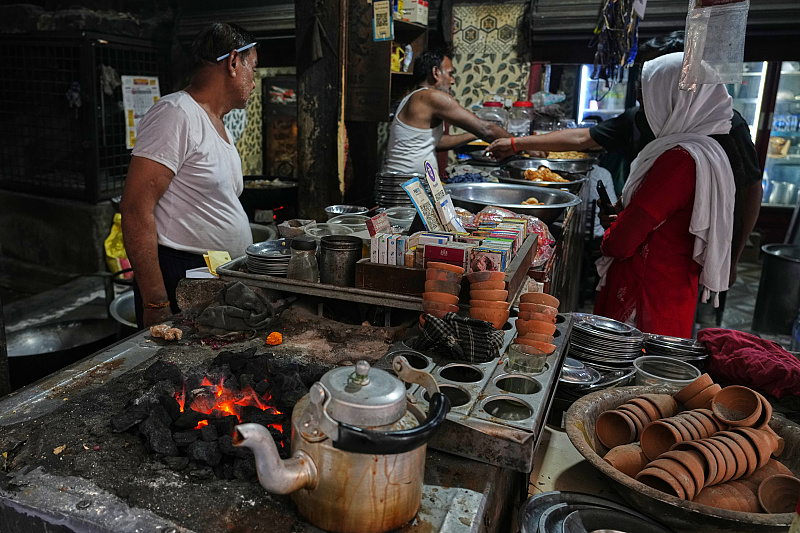
In poorer communities, the consequences are no longer visible only at gas stations but also in kitchens, forests, and protected areas. In the Kibera settlement in Nairobi, Brenda Obare has returned to cooking with charcoal because gas has become too expensive and often unavailable. As she says, "We don't have many options. You use what you can afford."
For years, governments have encouraged a shift to cleaner fuels like liquefied petroleum gas for human health and environmental protection. The World Health Organization reports that air pollution killed 2.9 million people in 2021, while increased use of wood and charcoal further accelerates deforestation as trees are cut down faster than they can regenerate.
Experts warn that the return to biomass increases pressure on waterways, habitats, and wildlife species, as people increasingly venture into previously untouched areas in search of fuel. Paula Kahumbu from WildlifeDirect says the primary risk to conservation from the energy shock in Africa is not abstract. It is the shift of households to alternative fuels. Additionally, economic pressure can increase poaching and hunting of wild game for food, thereby raising the risk of disease transmission from animals to humans.
A similar trend is observed in India, where families with incomes of less than three dollars a day are abandoning more expensive gas cylinders and returning to wood-burning stoves. Higher prices for diesel and fertilizers further threaten agriculture, leading to lower yields and greater food supply insecurity.
An additional problem is the decline in tourism revenue in countries that fund conservation through safaris and park visits. Fewer tourists mean less money for rangers, anti-poaching efforts, and rapid interventions when wild animals enter populated areas. In remote regions, even the rise in fuel prices can slow the arrival of field teams, increasing risks for both people and animals.